

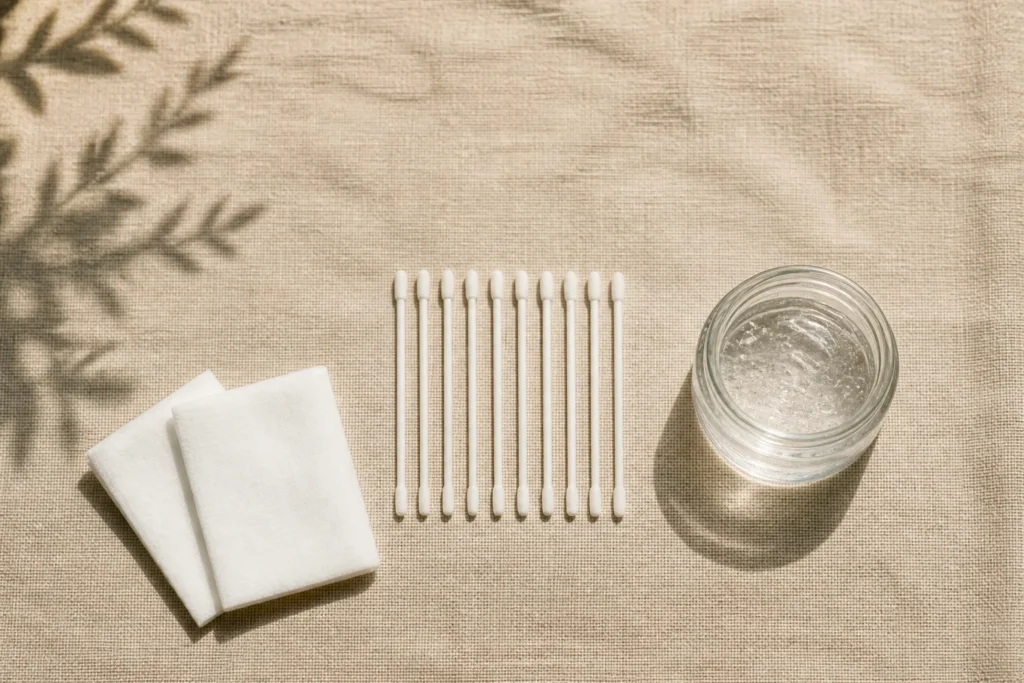
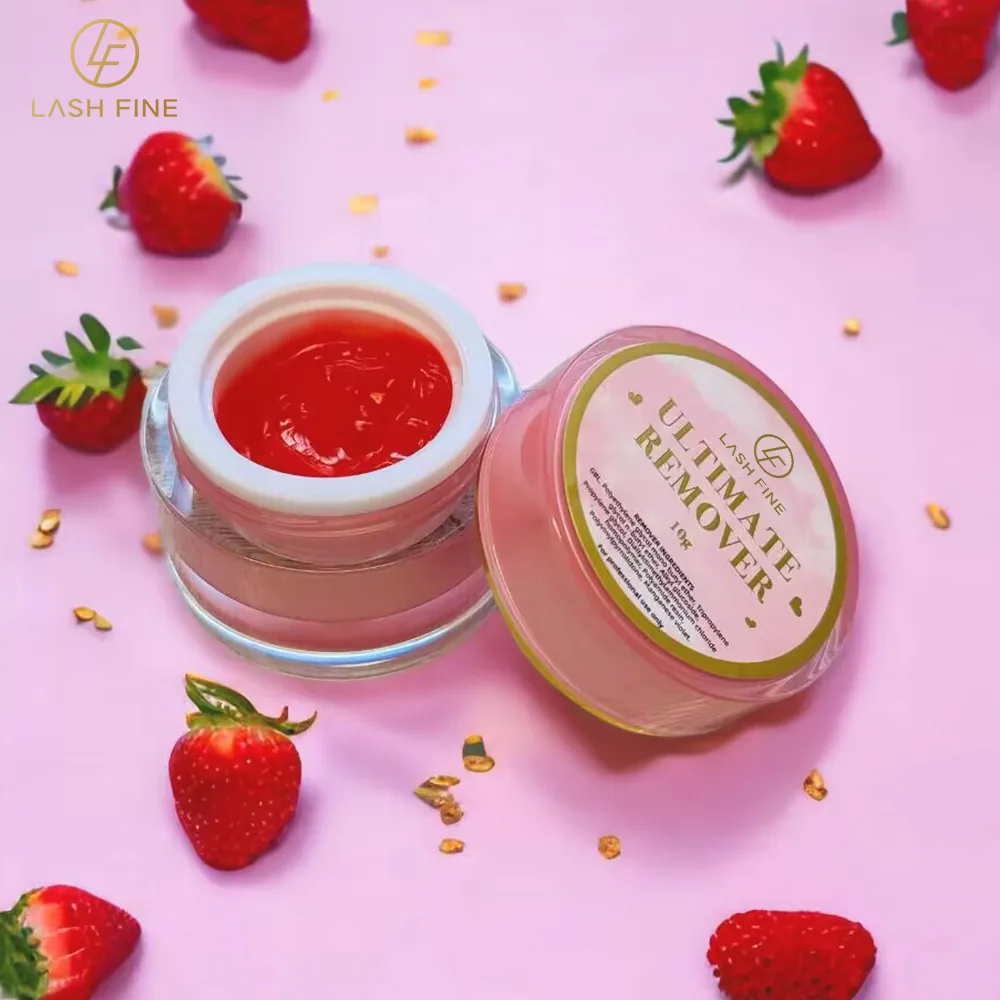
Every lash artist eventually faces a set that has to come off: grown out and twisted, applied elsewhere and badly placed, or sitting on an irritated lid margin that needs a clean start. The tool that decides whether that appointment ends in healthy natural lashes or in breakage is the remover. A lash extension remover is a formulated solvent that softens the cyanoacrylate bond so extensions release with light pressure instead of traction 鈥?and the format you choose, gel, cream or liquid, changes how much control you have while it works. This guide covers what remover actually does at the bond, how the three formats differ, a safe removal routine, and what happens to the natural lashes afterwards.
What a Remover Actually Does
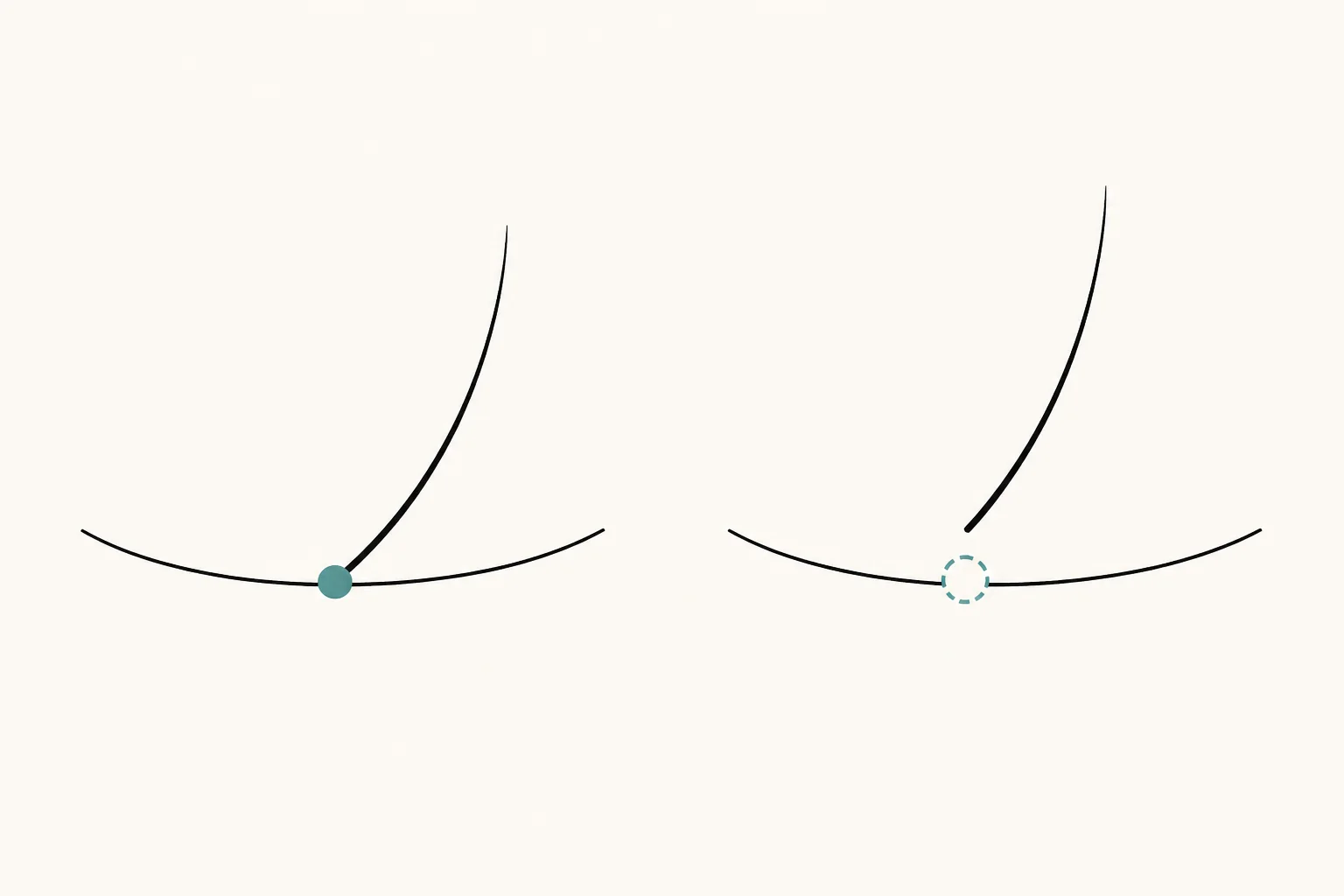
Extension adhesive cures into a hard polymer that grips the natural lash along a small contact area. Remover formulations contain solvents that penetrate and swell that polymer, turning a rigid bond into a soft gel-like layer that lets the extension slide off. The critical point is that the remover acts on the adhesive, not on the natural lash: once the bond is softened, the extension releases with almost no force, so the natural lash keeps its cuticle intact.
This is why “just pull them” is the most expensive sentence in lash aftercare. A growing natural lash with an extension bonded near its tip is leveraged every time the extension is tugged; peeling a set off can take the natural lash’s surface with it, leaving lashes that look thin and feel rough for weeks. A professional eyelash extension remover exists precisely to remove that leverage from the equation.
Gel vs Cream vs Liquid
The three formats differ mainly in viscosity, and viscosity is control.
| Format | Behaviour at the bond | Control | Best use |
|---|---|---|---|
| Gel | Holds shape, stays where placed | High | Precise spot removal, partial corrections |
| Cream | Thick, slow to migrate | Highest | Full-set removal, sensitive clients |
| Liquid | Flows readily, fast acting | Low | Experienced techs, stubborn adhesive only |
Gel is the workhorse: it stays on the bond line long enough to work without creeping toward the eye. Cream is thicker still and is the usual choice for full-set removals and for clients whose eyes water easily, because it barely moves once placed. Liquid remover acts fastest but flows, which is how remover ends up in the eye 鈥?most studios keep liquid only for isolated stubborn bonds, if at all. Whichever format you use, the active chemistry is similar; the difference is how much of it stays exactly where you put it.
When Removal Is the Right Call
Removal is correct in four situations. First, a set that has grown out badly: when most extensions sit far from the lid margin, an infill means bonding onto already-leveraged lashes, and a clean removal plus fresh set is kinder and faster. Second, irritation or suspected reaction: the lid margin needs to be free of product to recover, and leaving extensions in place prolongs contact with whatever is causing the response. Third, correction work: a set applied elsewhere with poor isolation cannot be fixed lash by lash in reasonable time. Fourth, a client changing direction 鈥?from volume to classic, or from extensions to a lift 鈥?usually wants a clean natural lash line to start from.
Removal is not the right call for a set that simply looks sparse at three weeks; that is normal shedding and an infill is the answer. The test is the condition of the bond points and the lid margin, not the density of the set.
Safe Removal, Step by Step
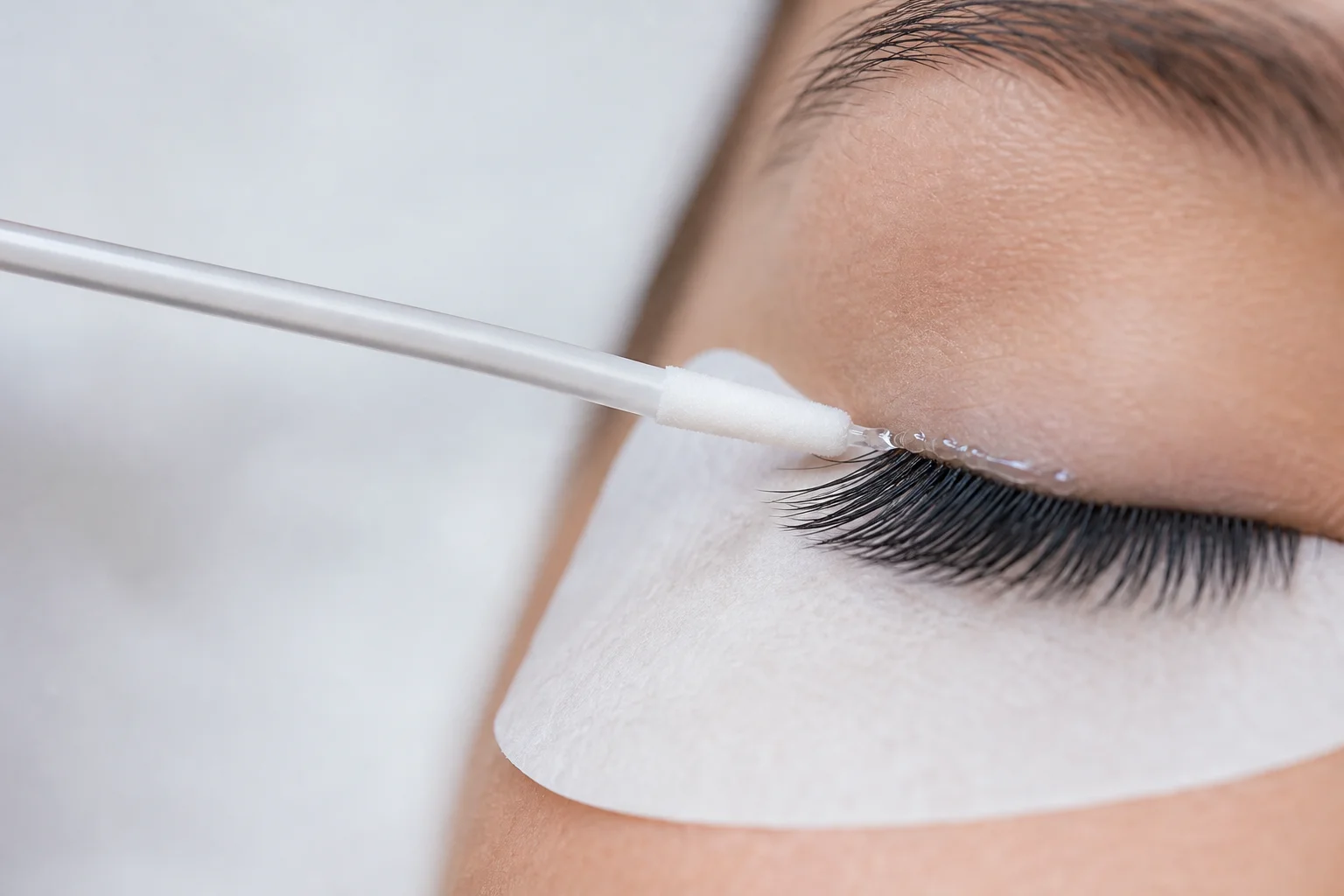
A full removal takes fifteen to twenty minutes with gel or cream and should never feel urgent.
- Prep the eye. Cleanse the lash line, place under-eye pads, and tape the lower lashes clear.
- Protect the skin. A thin barrier of pad or tape along the lid margin keeps remover off the skin.
- Apply remover to the bond line only. With a micro swab or fine brush, lay gel or cream along the base of the extensions, top and underside, avoiding the lid margin itself.
- Let it dwell. Follow the product’s stated time; the bond turns translucent and tacky when ready. Reapply rather than scraping if it is not ready.
- Slide, never pull. Use tweezers or a swab to ease extensions outward; anything that resists needs more dwell time.
- Clear the residue. Wipe the lash line with a damp swab until no tacky film remains, then cleanse fully.
Two discipline points: keep the client’s eyes closed for the entire process, and never work remover above the lash line toward the brow. Both are how accidents happen, and both are avoidable with placement care rather than speed.
After Removal: What the Natural Lashes Need
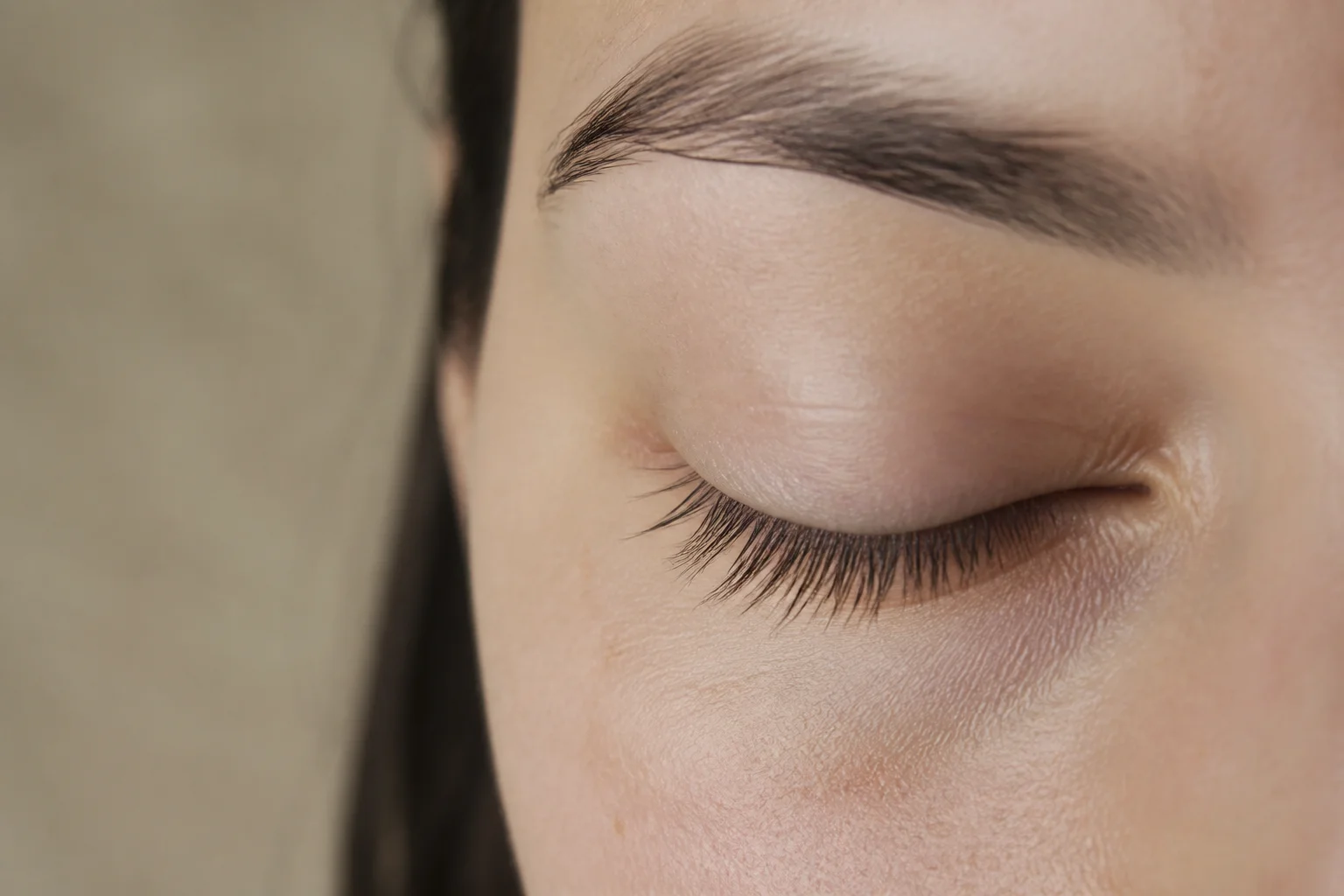
Once the set is off, the natural lashes are usually healthier than the client expects but visually shorter than they remember, because they have been carrying extensions through one or two growth cycles. Set that expectation before the mirrors come out. The lash line then needs three things: a full cleanse to remove solvent and adhesive residue 鈥?the same oil-free foam routine described in our lash foam cleanser guide works here 鈥?a break from heavy products for a day or two, and gentle brushing to keep lashes separated as they grow.
If the client wants a new set immediately, it is usually possible after a thorough cleanse and inspection, but any lashes that look thinned or bent at the tip should be left unbonded. A set built onto compromised natural lashes sheds early and reads as poor retention, which is a reputation cost no appointment fee covers.
Common Removal Mistakes
The classic mistake is impatience: scraping at a bond that has not fully softened, which drags the natural lash. The second is using the wrong tool for the job 鈥?oil-based makeup remover or household solvents instead of a formulated eye lash remover; oils soften adhesive slowly and unpredictably while irritating the eye, and household products have no place near the lid margin. The third is over-applying liquid remover so it migrates into the eye, causing stinging and watering that then washes the remover off the bonds. The fourth is skipping the residue cleanse, leaving a tacky film that interferes with the next set’s bonding.
Buying and Stocking Remover
For studios, stock gel as the default and cream for full-set days; buy in the sizes your appointment volume actually uses, because opened remover has a working shelf life and half-used jars expire on the shelf. Check four points at purchase: stated dwell time on the label, viscosity described for its intended use, packaging that dispenses without dripping, and clear safety labelling for eye-adjacent use. Our eyelash extension gel remover and lash glue remover cover the two studio formats, and because remover demand tracks adhesive demand, pairing it with your adhesive stock 鈥?see our guide to choosing adhesive by client type 鈥?keeps removal capacity matched to the sets you apply. For sensitive clients, the same caution that drives adhesive choice applies here; our sensitive-eyes adhesive guide explains the reaction patterns worth screening for before any removal.
Conclusion
A lash extension remover is a control tool as much as a solvent: it softens the adhesive bond so extensions release without traction, and the format you choose decides how much of it stays exactly where you placed it. Gel for precision, cream for full sets and sensitive eyes, liquid only in experienced hands. Remove when the bond points or the lid margin say so, not when the set looks sparse; dwell rather than scrape; cleanse the residue fully; and give the natural lashes a day of honest aftercare before the next set. Done this way, removal is the appointment that protects your retention statistics instead of costing you them.


 English
  German
  French
  Spanish
  Romanian
  Portuguese
  Dutch
Dutch  Italian
  Swedish
  Polish