

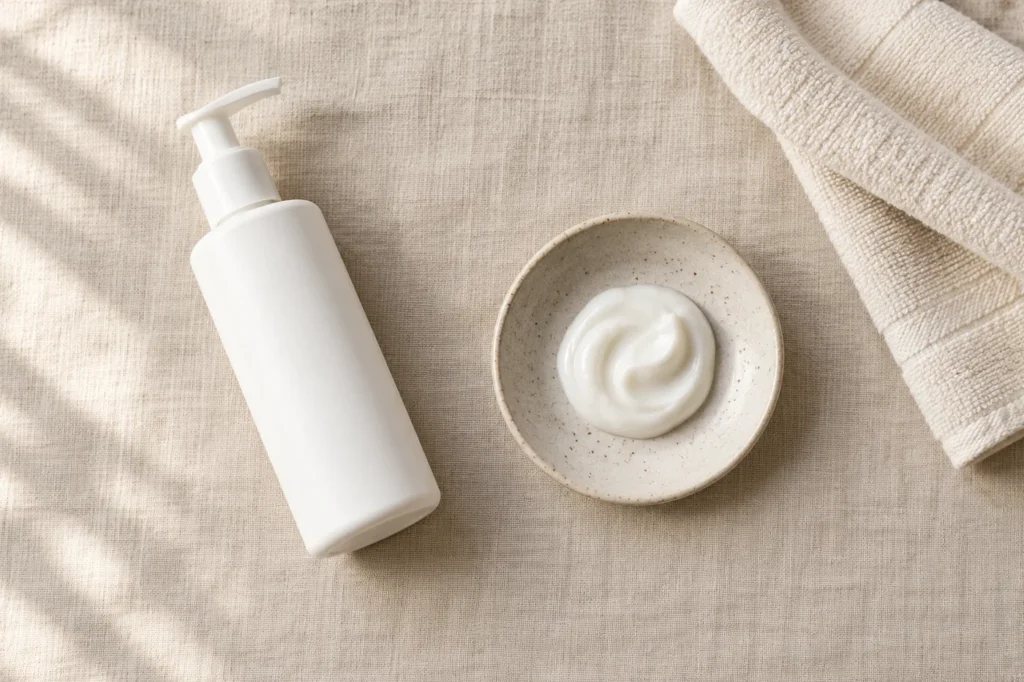
Lash Conditioner: What It Does and What Buyers Should Check
A lash conditioner is the quiet product in an aftercare range. It does not clean, it does not remove, and it does not sit on the shelf for months waiting for a client to ask about it. It is the step that decides whether the natural lashes under a set stay flexible enough to hold an extension week after week, which is why salons that sell one end up buying it again on a schedule.
That also makes it the easiest product in the range to buy badly. Conditioning claims are soft, formats are inconsistent, and the single biggest technical risk, oil content, is invisible on the front of the bottle. This guide covers what the product is, what conditioning actually changes about a lash, how oils interact with adhesive, what to check in a formulation and a format, and how the private-label order runs.
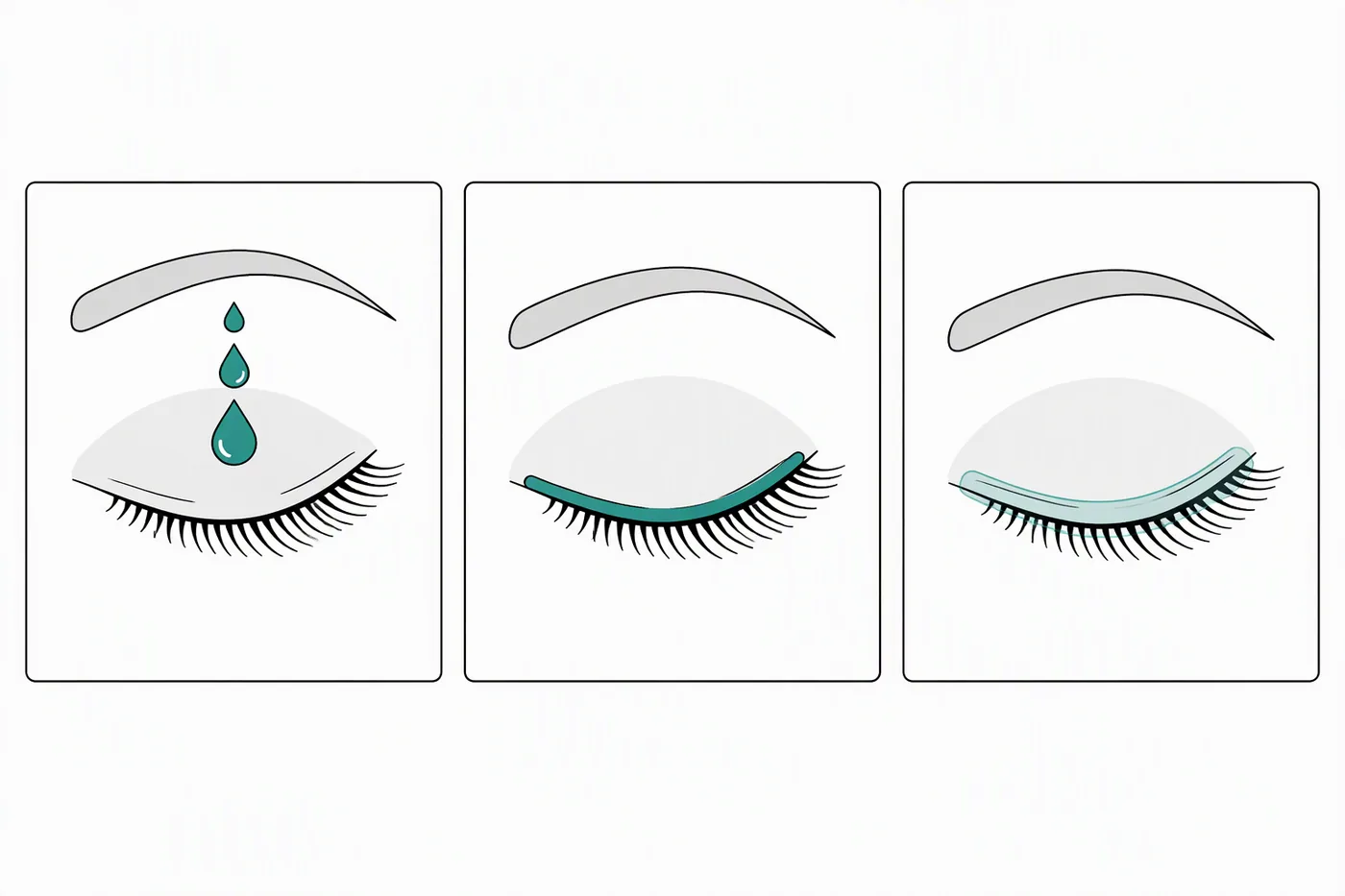
What a Lash Conditioner Is
Three products get confused with each other on this shelf, and separating them is the first thing a buyer should do.
— Un cleanser or shampoo is wash-off. It lifts oil, dust and makeup residue from the lash line and is rinsed away. The guide du shampooing pour cils covers that category in full.
— Un conditioner is a conditioning step for the lash fibre itself. It is usually applied after cleansing, left for a short time, and either rinsed or left on depending on the formula. Its job is moisture and flexibility, not hygiene.
— Un serum is a leave-on product aimed at the look of the lash line, and it belongs to a different conversation entirely.
In practice, a lash conditioner is usually a rinse-out or short-contact product with a cream, gel or foam texture. Because it is applied to the same area that carries adhesive, its oil content matters more here than it would in a hair conditioner, and that is where most of the technical risk in this category sits.
Product pages often blur the lines, which is why the label and the INCI list are worth more than the name on the front. A product sold as a shampoo and conditioner in one unit is common in wholesale lines, and the lash shampoo conditioner line is an example of a vendor product that covers both steps for salons that want one unit instead of two.
What Conditioning Actually Does to a Lash
A natural lash is a protein fibre, and like any fibre it behaves differently depending on how much water it holds. Dry, brittle lashes are less forgiving: they flex less under the weight of an extension, they break more easily at the base, and they shed earlier than they otherwise would. Conditioning addresses that by putting moisture back into the fibre and by smoothing the surface so it does not catch on adjacent lashes.
Conditioning agents do this in two ways. Humectants such as glycerin and panthenol hold water at the surface and give an immediate soft feel. Protein-derived and amino-acid ingredients bind to the fibre and are used by suppliers to talk about repair, though on a hair that is a few weeks old the effect is closer to surface conditioning than to rebuilding. Either way, the outcome a client notices is a lash that feels less stiff and that resists tangling between refills.
What conditioning does not do is change how many lashes a client has, or how fast they grow. Those claims belong to the serum conversation, and mixing them into a conditioner listing creates a compliance problem rather than a selling point. The honest positioning is narrower and easier to defend: this is the step that keeps the natural lash in good enough condition to keep carrying extensions.
There is also a servicing angle that is worth passing to salons. A client who uses a conditioner between appointments usually arrives with cleaner, straighter lashes, which shortens the isolation time at the start of a refill. That is a measurable benefit a technician can feel, and it is a better argument at handover than any adjective on the label.
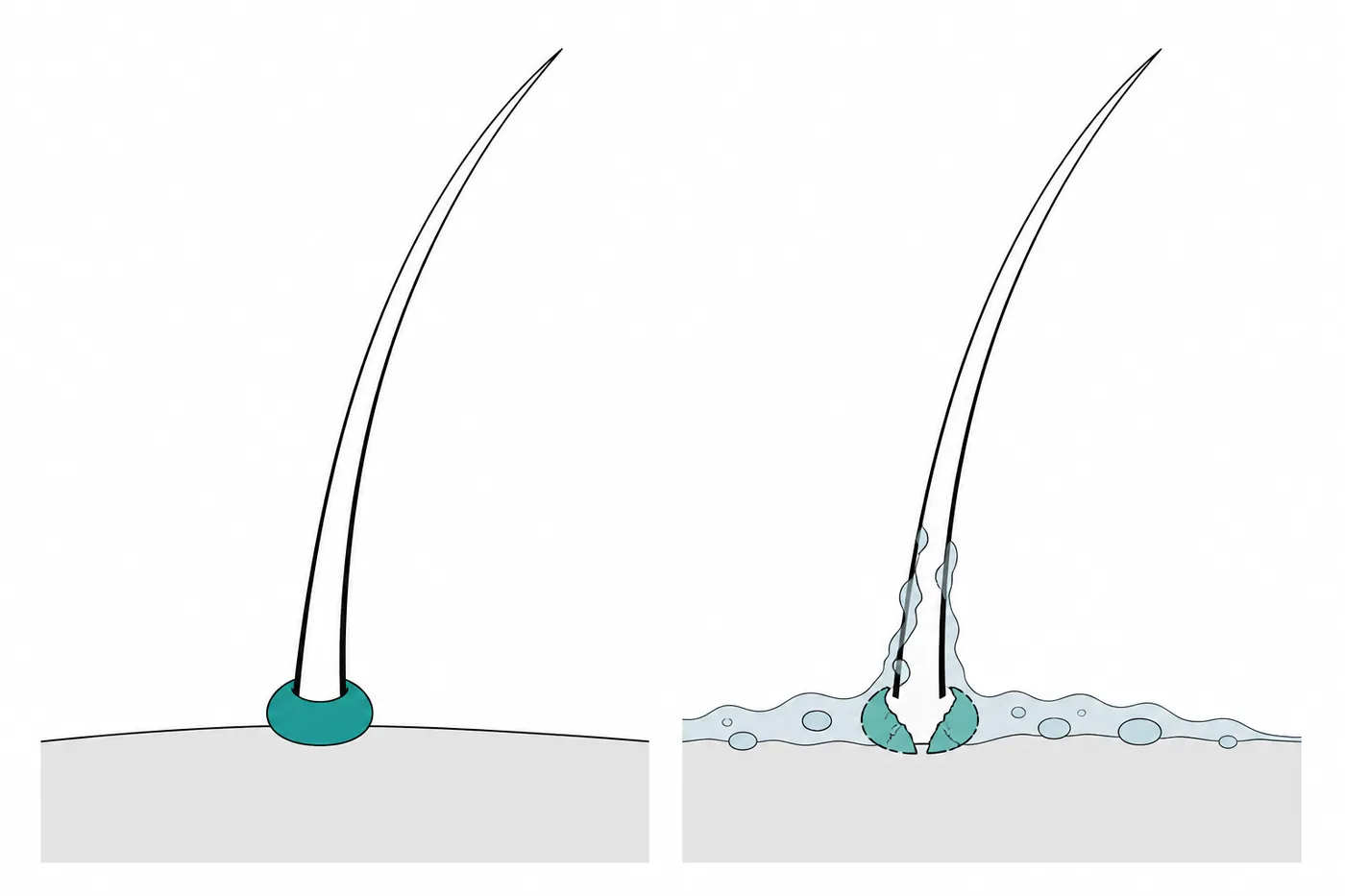
The Oil Question: Conditioners and Adhesive Retention
This is the section that decides most complaints in this category. Cyanoacrylate lash adhesive is sensitive to oil. Oil that reaches the bond line weakens the cured adhesive and shows up as premature shedding, usually described by the client as the extensions “not lasting as long as before”, and usually blamed on the technician.
Two habits keep a conditioning product out of that argument.
First, keep oil out of the formula where the bond line is concerned, or keep the oil-heavy product off the lash line. Rich plant oils and heavy silicone blends feel luxurious and sell well, but a rinse-out conditioner that is massaged into the lash base and then incompletely rinsed leaves a film exactly where the adhesive needs to grip. A light, water-soluble formula that rinses clean is the safer specification for a product used by extension clients.
Second, put the instruction on the product. Clients will use a conditioner the way a hair conditioner is used unless they are told otherwise: generously, at the roots, and briefly rinsed. The instruction that matters is to apply along the length of the lashes, keep it away from the base, and rinse until the water runs clear. A technician who explains that once avoids a refill conversation that sounds like a retention complaint but is actually a residue problem.
It is also worth separating two client groups when a range is planned. Clients without extensions can use a richer formula without any consequence, and clients with extensions cannot, so a single universal bottle is a compromise. Where a supplier offers both, the honest approach is to label the fuller formula for natural lash care and keep the light formula for extension wearers, rather than describing one product as suitable for everyone.
Surface condition matters for the same reason. Lashes that do not hold adhesive as well as they used to are often the ones with a rougher or more porous surface, a subject the note on lash porosity explains, and a conditioning routine is part of managing it rather than a cure for it.
Formulation and Format Basics
A buyer comparing two quotations can narrow the field quickly by asking about five things.
1. The conditioning base. Is the moisture coming from humectants, from a protein or amino-acid ingredient, or from an oil? The answer decides which client group the product suits.
2. The oil content and its source. Mineral, silicone, or plant. Ask for the position of any oil in the INCI list, because the order reflects concentration.
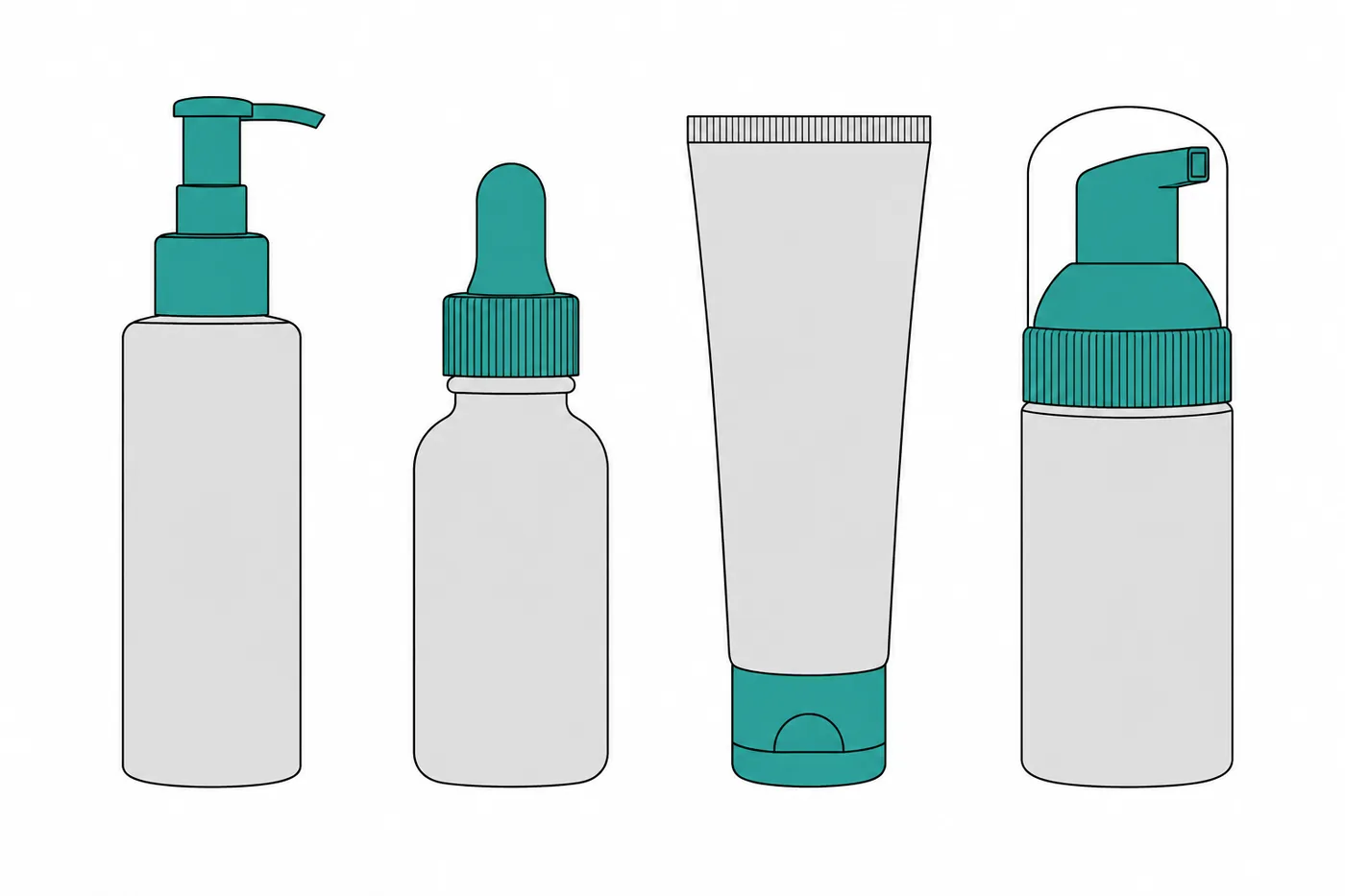
3. The format. Pump bottle, dropper bottle, squeeze tube, or foam pump. A pump or foam format suits a product used on a wet lash line in a salon; a dropper suits a concentrated rinse-out product used in small doses.
4. Rinse-out or leave-on. This changes both the formula and the instruction card, and it is the most common source of a mismatch between what a client expects and what the product does.
5. pH and preservative system. A water-based formula needs a preservative matched to its pH, and this is the row a supplier should never leave blank.
Format and packaging also decide how the product behaves in transit. A foam pump is the most fragile of the four and needs a full overcap in bulk shipping; a dropper bottle is the most likely to leak if the neck thread is not matched to the closure. For a private-label run, ask for the fill weight tolerance and for the closure specification in writing, then check both against a delivered sample rather than a mock-up.
Buying and Private Label
The order of operations is the same as any aftercare product, with one addition: settle the rinse-out question before anything else, because it determines the formula, the label claims and the instruction card at once.
1. Fix unit size, format, and whether the product is rinsed or left on.
2. Evaluate samples on a wet lash line, not on the back of a hand. Check how completely it rinses, how the lashes feel once dry, and whether any residue is visible under a magnifier.
3. Ask for the documentation set: full INCI in order, pH, preservative system, shelf life, and a batch certificate of analysis.
4. Lock the formula, then approve artwork. Label wording should be reviewed against the claims list, and terms such as hypoallergenic or clinically proven should not appear without evidence behind them.
5. Run a pilot fill and check fill weight, seal integrity, foam quality on the pump formats, and print quality.
6. Keep the batch number and fill date with the shipment. That record is what resolves a complaint months later.
The questions that separate a manufacturer from a trader are the unglamorous ones: who fills the batch, where, what the minimum order is, what the lead time is after artwork approval, and what happens if a batch fails the seal check.
QC, Instructions and Client Handover
On arrival, five checks cover most of the risk: the seal is intact, the batch number and shelf life are printed and legible, the colour and odour match the approved sample, the fill weight is within tolerance, and the INCI on the unit matches the certificate.
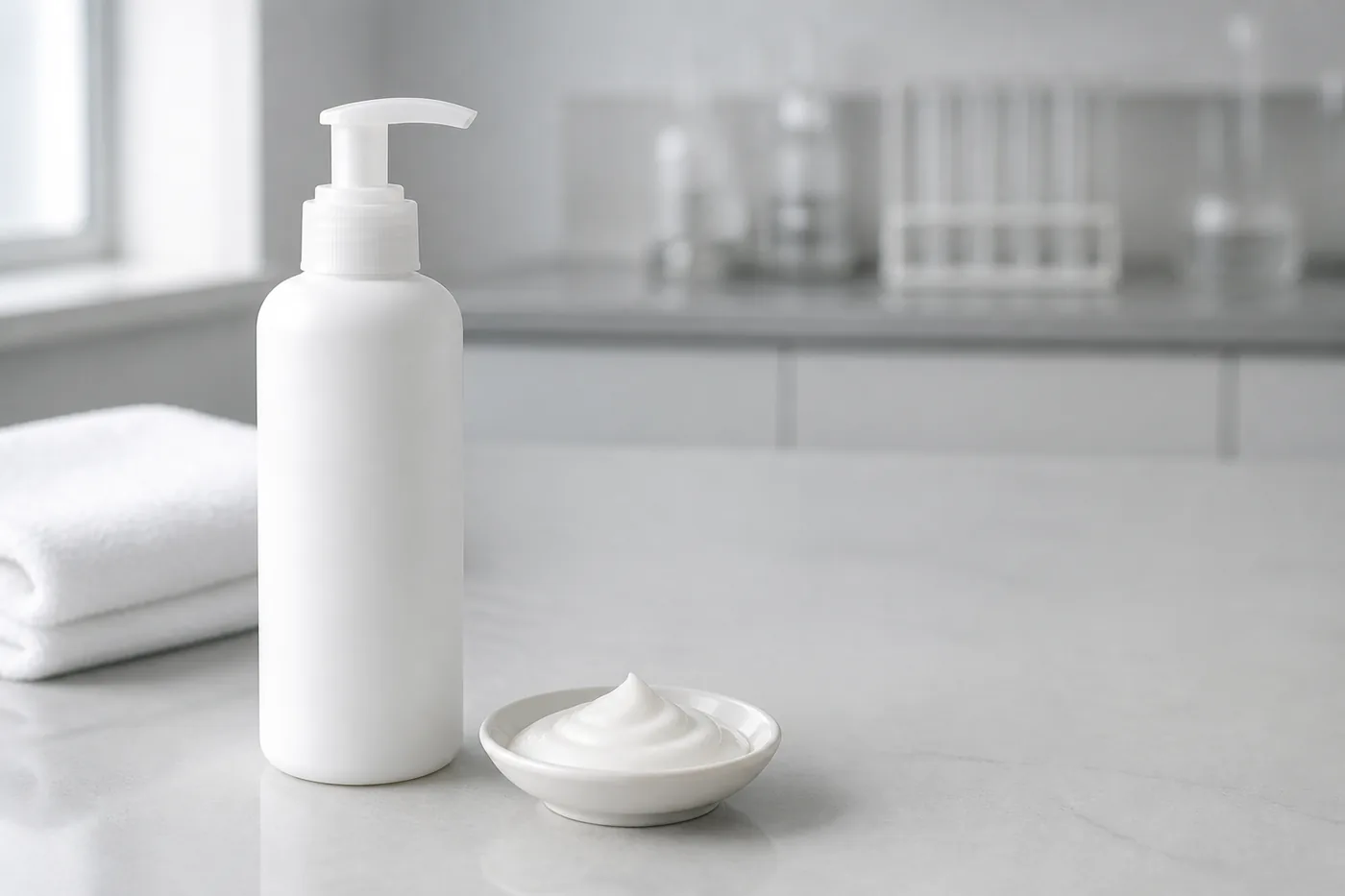
What travels with the product matters just as much. Send an application routine that states where the product goes, how long it stays, and how thoroughly it is rinsed, plus a patch-test recommendation for clients with a history of sensitivity. The eyelash extension allergy guide is a useful reference for how to talk about that without overpromising.
Two adjacent steps belong in the same handover conversation. Cleansing comes first, and a client who is not cleansing properly will not get much from a conditioner, so a light cleanser such as the crème fouettée nettoyante pour les cils should be introduced at the same time. And after a removal, when the natural lashes need time to recover, conditioning does more useful work than anything aimed at the lash line, which is the situation the guide to lash recovery describes.
FAQ
Is a lash conditioner the same as a lash shampoo? No. A shampoo cleans and is rinsed away. A conditioner conditions the fibre and is a separate step, even when a supplier puts both functions in one unit.
Can a client with extensions use a conditioner? Yes, with one rule: keep it off the base of the lashes. Oil or a heavy film at the bond line shortens retention, and that is the most common cause of a conditioner being blamed for shedding.
Should a conditioner be rinsed or left on? It depends on the formula, and the decision belongs on the label and the instruction card. Confusing the two is what turns a working product into a complaint.
Does a conditioner help with retention? It helps the natural lash stay flexible and less prone to breaking, which indirectly supports a set. It does not strengthen the bond itself, and no cosmetic conditioner should be sold as if it does.
Where It Fits in the Range
Les soin revitalisant pour shampoing pour cils is the practical way to introduce this step in a wholesale range, because it lets a salon test client response with one unit rather than a two-bottle routine. For a brand building its own line, the sequence to plan is cleansing first, conditioning second, and the leave-on lash-line step as the lash growth serum covers it third, with each unit carrying its own instruction card. Conditioner is the least visible of the three and the one that most reliably protects the refill schedule, because it is the step a client keeps using after the novelty of a new set has worn off.
For stocking, the practical rule is to hold one unit size that suits a salon’s back bar and a second that suits retail handover, and to keep the rinse-out and leave-on lines clearly labelled so a client cannot confuse them. It is also worth treating conditioner as the entry point of the aftercare range rather than an add-on: it is cheap to make, cheap to ship, and it creates the routine that the other two products depend on. A salon that never introduces it tends to see retention problems it cannot explain, and a brand that sells it as an afterthought rarely gets the second order.


 English
 German
 French
 Spanish
 Romanian
 Portuguese
 Dutch
 Italian
 Swedish
 Polish