

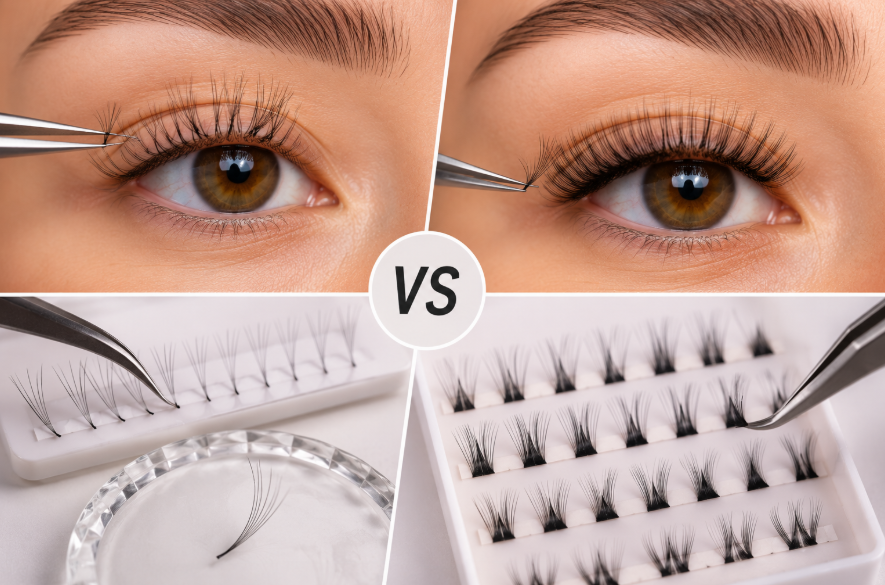
Răspuns direct: Ventilatoarele de gene realizate manual sunt construite de artist în timpul programării, în timp ce ventilatoarele de gene prefabricate sunt fabricate în avans și aplicate dintr-o tavă. Ventilatoarele realizate manual oferă un control mai mare asupra lățimii ventilatorului, formei bazei și cartografierii; ventilatoarele prefabricate au ca prioritate viteza, consecvența și adoptarea mai ușoară, în special în saloanele aglomerate sau pentru artiștii care încă își dezvoltă abilitățile de volum.
Dacă sunteți un artist al genelor, un proprietar de salon sau un fondator de brand de frumusețe care se aprovizionează cu extensii de gene en-gros, adevărata întrebare nu este care opțiune este “mai bună” în teorie, ci care se potrivește modelului dvs. de servicii, nivelului de pregătire și obiectivelor de viteză.
1. Ce sunt ventilatoarele de gene realizate manual?
Evantaiele de gene realizate manual, uneori numite evantaie personalizate, sunt construite de artistul de gene în timp real în timpul programării. Artistul ia extensii individuale de gene de pe o bandă, formează un evantai prin ciupirea sau rularea bazei, apoi înmoaie evantaiul în adeziv și îl aplică direct pe genele naturale.
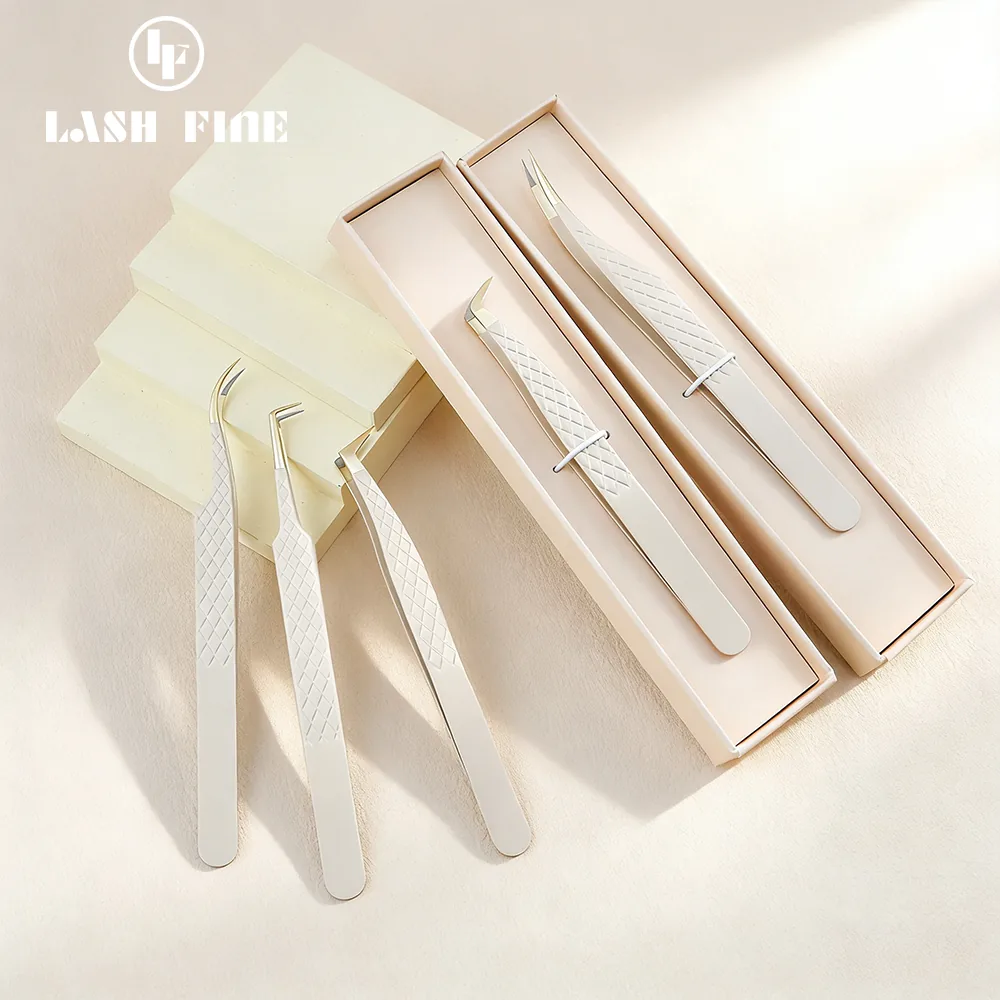
Această metodă face parte din tehnica clasică de aplicare a genelor voluminoase și este adesea predată în cadrul cursurilor avansate de formare a genelor, inclusiv în cadrul cursurilor de tehnici de aplicare a genelor voluminoase și mega-voluminoase. În cadrul formării profesionale, artiștii învață să controleze presiunea de preluare, cantitatea de adeziv, simetria evantaiului și distanța sigură de atașare față de pleoapă.
Atracția este controlul: artistul poate ajusta numărul de gene, lățimea evantaiului, curbarea și stilul pentru puterea naturală a genelor și forma ochilor clientului.
Puncte forte comune ale fanilor handmade
- Mai multă personalizare: Lățimea, densitatea și forma ventilatorului pot fi ajustate de la client la client.
- Bază de lucru subțire: Atunci când este realizată corect, baza poate fi foarte îngustă și flexibilă.
- Potențial puternic de retenție: Atunci când baza se înfășoară bine în jurul genei naturale și adezivul este utilizat corect, uzura poate fi excelentă.
- Mai potrivit pentru cartografierea avansată: Ventilatoarele realizate manual sunt potrivite pentru clienții care au nevoie de un stil nuanțat sau de tranziții mai moi între lungimi.
Limitări comune ale ventilatoarelor realizate manual
- Timp de aplicare mai lung: Un set complet de volume durează adesea aproximativ 2,5 până la 4 ore, în funcție de dimensiunea setului, viteza de izolare, condițiile de aderență și experiența artistului.
- Cerință de calificare mai mare: Metoda de ciupire sau rulare necesită practică și formare structurată pentru a fi stăpânită.
- Mai multă inconsecvență pentru începători: În cazul în care formarea ventilatorului, izolarea sau controlul adezivului sunt necorespunzătoare, rezultatul poate arăta neuniform sau se poate închide prost.
Criterii de decizie pentru ventilatoarele fabricate manual
Ventilatoarele realizate manual sunt de obicei alegerea cea mai bună atunci când:
- artistul este deja antrenat în izolarea volumului și a evantaiului,
- clientul are nevoie de un aspect foarte personalizat,
- meniul de servicii pune accentul pe personalizarea premium,
- iar lungimea programării este mai puțin importantă decât precizia.
2. Ce sunt fanii de gene prefabricați?
Evantaiele prefabricate sunt evantaie pentru gene create în avans de un producător și ambalate în tăvițe. Artistul îndepărtează un evantai, înmoaie baza în adeziv și îl aplică pe genele naturale. Aceste tăvi sunt adesea utilizate în saloanele care acordă prioritate vitezei, stilului previzibil și barierelor de formare reduse.
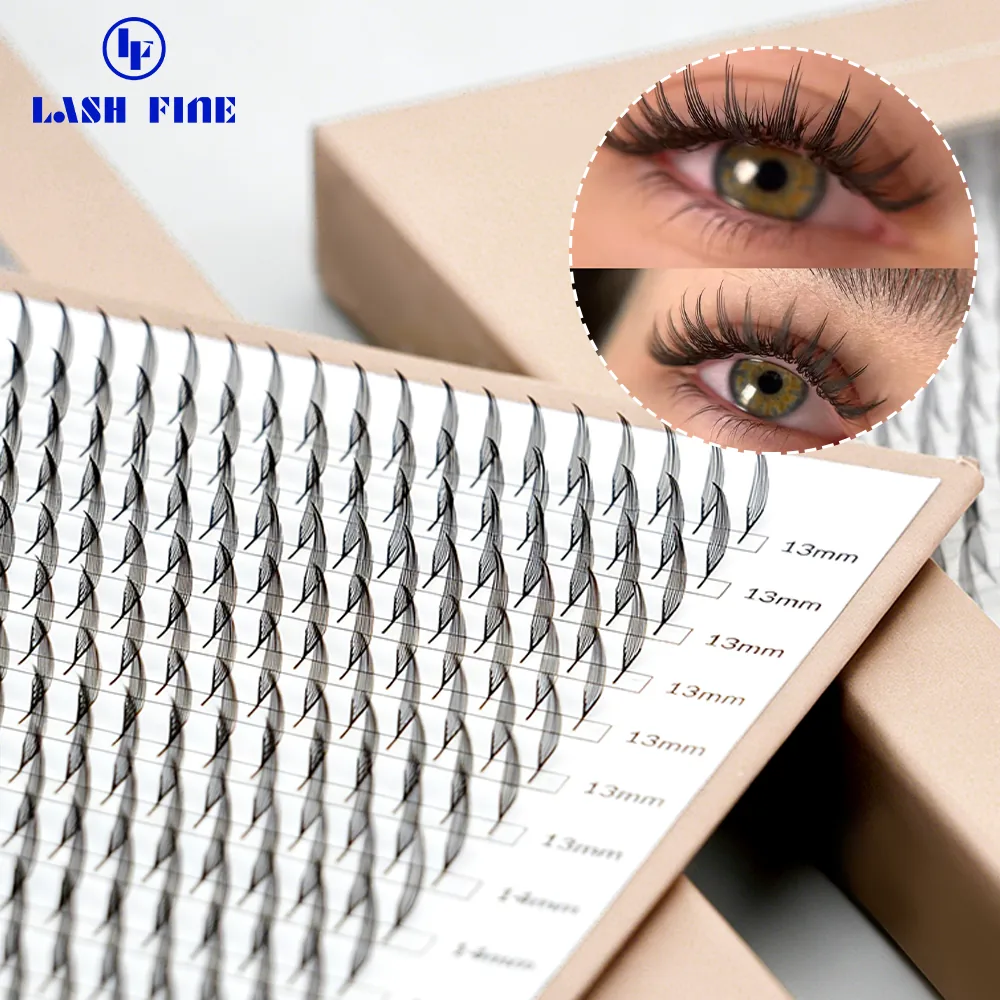
În funcție de producător, ventilatoarele prefabricate pot fi realizate cu o cantitate mică de lipici la bază sau formate prin lipire termică. Descrierile produselor se referă adesea la o tulpină îngustă, bază ascuțită, sau bază subțire pentru a indica o zonă de fixare mai prietenoasă cu genele.
Tipurile comune de producători includ:
- prematuri fabricate la mașină, care sunt formate în producție pentru o simetrie consecventă;
- balade artizanale, care sunt realizate de tehnicienii de gene la fabrică și apoi ambalate;
- tăvi lipite termic sau lipite cu adeziv, în funcție de modul în care este stabilizată baza.
Puncte forte comune ale ventilatoarelor prefabricate
- Aplicare mai rapidă: Ventilatoarele prefabricate pot reduce timpul de service, deoarece ventilatorul este deja format înainte de programare.
- Aspect consecvent: Fiecare ventilator este de obicei mai uniform în lățime și formă decât ventilatoarele construite manual de un începător.
- Punct de intrare mai ușor: Artiștii cu abilități solide de plasare a genei clasice pot începe adesea să utilizeze premades mai devreme decât să învețe volumul complet făcut manual.
- Randament previzibil al tăvii: Pentru saloane și mărci OEM de gene, consecvența tăvii poate facilita planificarea inventarului și a meniului.
Limitări comune ale ventilatoarelor prefabricate
- Structura de bază variază în funcție de calitatea produsului: Premadele mai vechi sau de calitate inferioară pot avea baze mai groase, mai voluminoase, care nu se înfășoară la fel de curat.
- Cost potențial mai mare al produsului per tavă: De obicei, tăvile prefabricate costă mai mult decât tăvile pentru gene în volum brut, deoarece munca de formare a evantaiului a fost deja efectuată.
- Retenția depinde de design și de aplicare: Opțiunile moderne cu tulpină îngustă și bază ascuțită pot funcționa mult mai bine decât stilurile prefabricate anterioare, dar uzura generală depinde în continuare de izolarea corectă, cantitatea de adeziv și compatibilitatea genelor.
Criterii de decizie pentru ventilatoarele prefabricate
Ventilatoarele prefabricate sunt de obicei cea mai bună alegere atunci când:
- salonul are nevoie de timpi de servire mai scurți,
- nivelurile de calificare ale personalului variază,
- meniul prioritizează consecvența în detrimentul construirii de ventilatoare personalizate,
- sau afacerea are nevoie de o barieră mai mică pentru serviciile de volum.
3. Ce se întâmplă cu fanii “Promade”?
Este posibil să vedeți și termenul promadă. În industrie, ventilatoarele promade sunt de obicei confecționate manual la unitatea de producție și apoi ambalate pentru vânzare. Acestea sunt realizate pentru a semăna mai mult cu evantaiele realizate manual decât cu unele evantaie premade formate la mașină, adesea cu o bază mai subțire, cu un aspect mai organic.
Acest lucru face din promade o opțiune intermediară pentru branduri și artiști care doresc:
- un aspect mai lucrat manual,
- confortul tăvii,
- și un flux de programare mai rapid decât construirea fiecărui ventilator la fața locului.
Ventilatoarele Promade cu bază ascuțită sunt adesea descrise de furnizori ca fiind 100% lucrate manual înainte de ambalare, acesta fiind unul dintre motivele pentru care sunt comercializate ca o punte de legătură între ventilatoarele realizate de artiști și produsele fabricate în fabrică.
4. Tabel comparativ: Handmade vs Premade vs Promade
| Atribut | Ventilatoare realizate manual | Ventilatoare prefabricate | Fanii Promade |
|---|---|---|---|
| Lățimea bazei | Poate fi foarte îngust atunci când este realizat corect | Depinde de calitate; adesea îngustă până la moderată | De obicei înguste și mai asemănătoare cu cele făcute manual |
| Interval de retenție | Adesea puternic atunci când tehnica este corectă; de obicei discutat ca aproximativ variază în funcție de tehnică și de asocierea produselor în seturi bine aplicate | Variază mult în funcție de design și aplicație; stilurile moderne cu tulpină îngustă pot avea performanțe bune | Adesea poziționate între handmade și premade în funcție de bază și aplicație |
| Timp de aplicare | De obicei, aproximativ 2,5-4 ore pentru un set complet de volume | De obicei, mai rapide decât cele realizate manual; multe saloane le folosesc pentru a reduce timpul de service | Mai rapidă decât cea realizată complet manual, deși timpul exact depinde de selectarea tăvii și de îndemânare |
| Cost per tavă | De obicei mai scăzut pentru genele brute | De obicei mai mare deoarece ventilatorul este pre-construit | Adesea, prețul se situează între genele brute și unele premedicate premium, în funcție de muncă și finisaj |
| Nivelul de competență necesar | Abilități avansate de volum | Mai ușor de utilizat pentru începători | De la intermediar la avansat, în funcție de obiectivele de styling |
| Cel mai bun caz de utilizare | Lucrări personalizate, stiliști avansați, cartografiere personalizată | Saloane aglomerate, servicii mai rapide, artiști în stadiu de formare | Mărci sau artiști care doresc un aspect asemănător celui realizat manual, cu comoditate pentru tavă |
5. Comparație directă: Care funcționează mai bine?
Răspunsul sincer este că performanța depinde de designul produsului și de tehnica artistului.
Retenție
Ventilatoarele realizate manual sunt adesea preferate pentru retenție, deoarece artistul formează ventilatorul în timpul aplicării și îl poate plasa cu o înfășurare care se potrivește bine cu genele naturale. Acestea fiind spuse, evantaiele moderne prefabricate cu o tulpină îngustă sau o bază ascuțită s-au îmbunătățit semnificativ și pot funcționa bine atunci când sunt aplicate corect.
Astfel, în loc să spunem că o opțiune oferă întotdeauna “cea mai bună retenție posibilă”, este mai corect să spunem:
- Ventilatoarele realizate manual au adesea cel mai mare potențial de păstrare în mâini calificate.
- Ventilatoarele prefabricate pot oferi în continuare o uzură solidă atunci când baza este subțire și aplicarea este curată.
- Tehnica slabă contează mai mult decât formatul ventilatorului.
O modalitate practică de a verifica afirmațiile privind retenția este de a compara seturile în aceleași condiții: curbură similară, diametru similar, adeziv similar, sănătate similară a genelor naturale și îngrijire ulterioară similară. Fără condiții de testare identice, comparațiile privind retenția nu sunt pe deplin fiabile.
Viteza
Ventilatoarele prefabricate sunt, de obicei, opțiunea mai rapidă, deoarece etapa de formare este deja realizată. În practică, acest lucru poate face o diferență semnificativă în ceea ce privește durata programării, în special pentru saloanele cu volum mare.
Un serviciu care durează aproximativ 3 ore cu ventilatoare artizanale poate fi redusă substanțial cu prematuri, dar economiile exacte de timp depind de:
- numărul de gene din set,
- viteza de preluare a stilistului,
- stilul de cartografiere,
- și cât de eficient funcționează salonul.
Mai degrabă decât să presupunem un rezultat universal “reduce timpul la jumătate”, este mai sigur să tratăm premadele ca pe o opțiune axată pe viteză care poate reduce semnificativ timpul de serviciu în multe saloane reale.
Sănătatea genelor
Sănătatea genelor este determinată de calitatea aplicării mai mult decât de eticheta “handmade” sau “premade”. Un ventilator ușor, bine izolat și dimensionat corespunzător pentru genele naturale este mai important decât categoria ventilatorului în sine.
Factorii generali ai produsului care susțin o purtare mai sănătoasă includ:
- o bază care rămâne îngustă,
- cantitatea adecvată de adeziv,
- izolare curată,
- și greutatea evantaiului se potrivește cu cea a genei naturale.
În practică, cea mai sigură abordare este să se adapteze diametrul extensiei, numărul de evantaie și curbarea la puterea naturală a genelor clientului, mai degrabă decât să se bazeze pe limbajul de marketing privind produsele “extra ușoare” sau “ultra sigure”.
6. Standarde de produs, materiale și metode de formare care contează
Pentru a îmbunătăți fundamentarea topică, este util să evaluați vânzătorii de gene folosind termeni concreți de produs și de formare, mai degrabă decât laude generale.
Specificații utile pentru produse și materiale
- Fibră PBT: un material sintetic comun utilizat în extensiile de gene.
- Diametru: grosimea fibrei genei, care afectează greutatea.
- Bucle: categoria de formă care afectează stilul și vizibilitatea.
- Număr de ventilatoare: numărul de fibre din fiecare ventilator de volum, cum ar fi 3D, 5D sau 8D.
- Tip bază: tulpină îngustă, bază ascuțită, bază subțire sau bază pătrată.
Metode de formare utilizate în mod obișnuit în industrie
- Metoda de ciupire: formarea unui evantai prin ciupirea bazei.
- Metoda de rulare: rotiți ușor genele pentru a forma evantaiul.
- Exerciții de preluare și exerciții de izolare: exerciții de bază utilizate în antrenamentele clasice și de volum.
- Clase de volum și mega-volum: căi comune de învățare a creației fanilor handmade.
De ce contează aceste detalii
Aceste specificații facilitează compararea produselor într-un mod util pentru saloane, instructori și cumpărători de mărci private. Dacă pe două tăvi scrie “premeditat”, performanțele practice pot diferi din cauza lățimii bazei, simetriei evantaiului, metodei de lipire și specificațiilor fibrelor.
Pentru mărci precum Lashfine, acesta este nivelul de detaliu care ajută la separarea unei tăvi de gene utilizabile de una generică.
7. Care opțiune este mai bună pentru vânzarea cu ridicata, OEM și utilizarea în saloane?
Dacă cumpărați pentru un extensie cu ridicata a genelor meniu sau un Marca OEM lash, cea mai bună alegere depinde de publicul dumneavoastră.
Alegeți ventilatoare realizate manual dacă:
- clienții dvs. sunt artiști avansați ai genelor,
- doriți flexibilitate maximă a stilului,
- marca dvs. se poziționează în jurul tehnicii, personalizării și serviciilor premium.
Alegeți ventilatoare prefabricate dacă:
- clienții dvs. apreciază programările mai rapide,
- doriți o adoptare mai ușoară pentru artiștii noi,
- meniul dvs. are nevoie de un format de servire consecvent, repetabil.
Alegeți fanii promade dacă:
- doriți un echilibru între confort și un finisaj cu aspect mai manual,
- marca dvs. dorește să ofere un nivel intermediar de produse,
- cumpărătorilor dvs. le pasă de un aspect mai moale, mai organic al ventilatorului.
Pentru cumpărătorii angro, cea mai bună decizie se reduce adesea la strategia de inventariere: aprovizionarea manuală este mai ușor de stocat sub formă de tăvi libere, în timp ce produsele premise și promise pot susține mai bine o rotație mai rapidă a vânzărilor cu amănuntul și consecvența serviciilor.
8. Cum să citiți mai atent declarațiile privind calitatea produselor
Deoarece performanța ventilatorului pentru gene variază în funcție de producător, este util să evaluați produsele în funcție de atribute măsurabile, în loc de limbajul de marketing general.
Atunci când comparați tăvi, căutați detalii cum ar fi:
- lățimea bazei sau tipul bazei: tulpină îngustă, bază ascuțită sau bază subțire,
- numărul și diametrul ventilatoarelor: cum ar fi 3D, 5D, 8D sau alte clasificări ale volumelor,
- construcția tăvii: modul în care ventilatoarele sunt aliniate și eliberate din bandă,
- metoda de lipire: lipite cu adeziv sau formate la cald,
- nivel de calificare recomandat: începător, intermediar sau avansat,
- cazul de utilizare preconizat: seturi de viteză, antrenament, volum de lucru premium sau revânzare cu amănuntul.
Aceste detalii sunt mai utile decât afirmațiile de genul “cea mai bună retenție” sau “ultraușor”, cu excepția cazului în care furnizorul indică, de asemenea, designul de bază real, tipul de fibră și contextul aplicației.
9. Linia de fund
Dacă prioritatea dvs. este personalizare și control tehnic, ventilatoarele realizate manual sunt cea mai bună alegere. Dacă prioritatea dvs. este viteză, coerență și accesibilitate, ventilatoarele prefabricate sunt, de obicei, opțiunea cea mai practică. Ventilatoarele promade se situează între cele două și pot fi utile atunci când doriți un finisaj mai manual, cu un confort de tavă.
Pentru majoritatea cumpărătorilor, cea mai bună alegere nu este un singur câștigător universal. Depinde de nivelul de îndemânare al artistului, de obiectivele salonului în ceea ce privește timpul de serviciu și de calitatea produsului din tava specifică sau din stilul de fabricație.
Concluzia brandului Lashfine este simplă: cea mai puternică alegere de extensie a genelor este cea care se potrivește fluxului dvs. de lucru, nivelului dvs. de instruire și standardelor de calitate pe care le puteți oferi în mod constant.
ÎNTREBĂRI FRECVENTE
Ventilatoarele de gene prefabricate sunt sigure pentru genele naturale?
Da, acestea pot fi sigure atunci când greutatea evantaiului este adecvată, baza este subțire, iar artistul le aplică cu o izolare și un control adecvat al adezivului. Sănătatea genelor depinde mai mult de calitatea aplicării decât doar de formatul evantaiului.
Ventilatoarele realizate manual durează întotdeauna mai mult decât cele prefabricate?
Evantaiele realizate manual au adesea un potențial puternic de retenție, dar evantaiele moderne prefabricate cu tulpini înguste sau baze ascuțite se pot purta de asemenea bine. Retenția depinde de designul produsului, de adeziv, de izolare și de tehnica de aplicare.
Ventilatoarele prefabricate sunt bune pentru începători?
Da, ele sunt adesea mai ușoare pentru începători decât construirea ventilatoarelor de la zero. Începătorii trebuie totuși să înțeleagă izolarea, plasarea, maparea legăturilor și selectarea în siguranță a greutății pentru a evita retenția slabă sau deteriorarea.
Ventilatoarele prefabricate sunt mai scumpe?
De obicei, da. Tăvițele prefabricate costă adesea mai mult decât genele brute de volum, deoarece producătorul a făcut deja munca de formare a evantaiului.
Care opțiune este mai rapid de aplicat?
Evantaiele prefabricate sunt de obicei mai rapide, deoarece evantaiul este deja construit. Ventilatoarele realizate manual durează mai mult deoarece artistul formează fiecare ventilator în timpul întâlnirii.

 English
  German
  French
  Spanish
  Romanian
  Portuguese
  Dutch
Dutch  Italian
  Swedish
  Polish