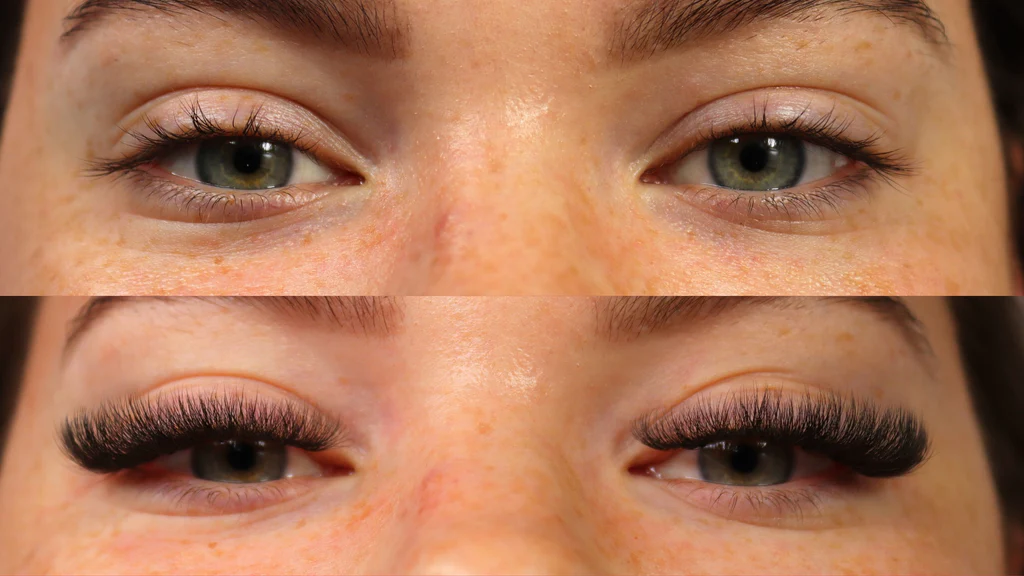
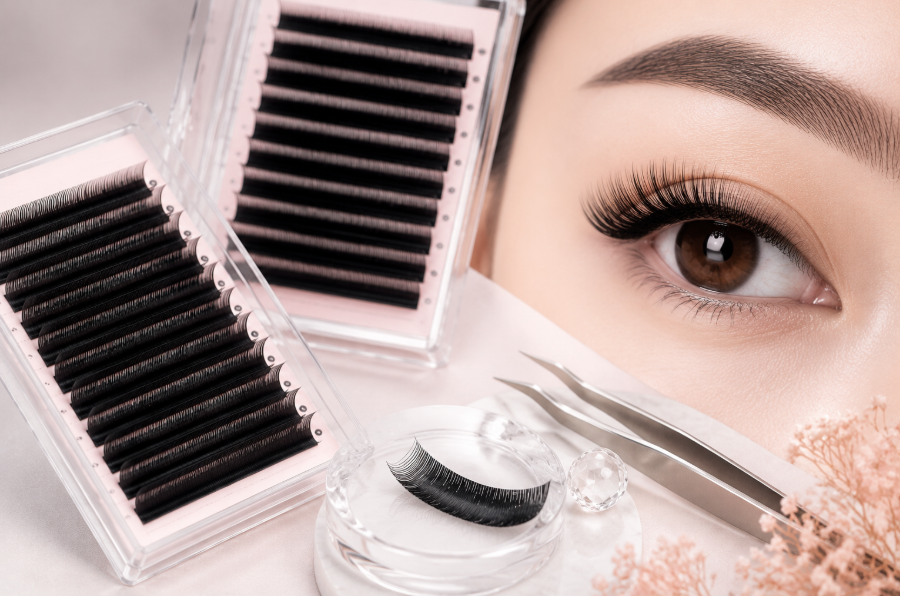
Genele coreene PBT sunt o opțiune premium de fibră de gene sintetică cunoscută pentru o senzație mai moale, un finisaj mat și o retenție puternică a buclelor. În extensiile moderne de gene, acestea au contribuit la stabilirea unui standard superior pentru realism, confort și consistență.
Ce sunt genele coreene PBT?
PBT reprezintă polibutilen tereftalat, un polimer termoplastic utilizat pe scară largă în fibrele sintetice pentru gene. În producția de gene, este apreciat deoarece poate fi modelat termic și poate menține bucla mai fiabil decât multe alternative mai ieftine.
Genele PBT coreene sunt comercializate în mod obișnuit ca o fibră de gene de calitate superioară, deoarece acestea oferă adesea:
- o textură mai moale
- un aspect mai natural
- un finisaj mai degrabă mat decât lucios
- stabilitate mai bună a buclelor
- îmbrăcăminte ușoară pentru clienți
De ce folosesc PBT brandurile de gene
PBT poate produce o fibră uniformă, flexibilă, care imită genele naturale mai bine decât materialele plastice mai rigide. Pentru artiștii și distribuitorii de gene, aceasta înseamnă, de obicei, rezultate vizuale mai bune și o performanță mai previzibilă a produsului.
Gene coreene PBT vs. gene acrilice
| Caracteristică | PBT coreean | Acrilic |
|---|---|---|
| Calitatea percepută | Superior | Inferioară |
| Menținerea buclelor | În general, mai puternice | Mai multe șanse de a pierde forma |
| Textura | Mai moale, mai naturală | Mai rigidă, mai artificială |
| Terminare | De obicei mat | Adesea mai lucioasă |
| Preț | De obicei mai mare | De obicei mai ieftin |
| Priviți | Mai realist | Mai multe sintetice |
În cele mai multe cazuri, PBT coreean este preferat atunci când obiectivul este moliciunea, confortul și un finisaj mai natural. Genele acrilice pot fi alese din motive de buget, dar acestea sacrifică adesea păstrarea buclelor și realismul.
Cum a schimbat PBT coreean industria cililor
Înainte ca PBT să devină dominant, multe fibre pentru gene se simțeau mai grele, păreau mai lucioase sau mențineau buclele mai puțin constante. Pe măsură ce industria s-a maturizat, producătorii din Coreea, China și alte centre de producție s-au concentrat mai mult pe uniformitatea fibrelor și stabilitatea buclelor.
PBT coreean a contribuit la împingerea pieței spre:
- fibre sintetice mai moi
- standarde de curbare mai consistente
- seturi de gene cu senzație mai ușoară
- imitație mai bună a genelor naturale
Ce ar trebui să caute cumpărătorii de gene
Nu toate produsele etichetate ca PBT coreean sunt la fel de performante. Cumpărătorii trebuie să verifice calitatea produsului prin documentație și prin testarea eșantioanelor.
Verificări utile ale furnizorilor
Adresați-vă furnizorilor pentru:
- detalii privind compoziția fibrelor
- specificații curl
- descrierea finisajului
- informații privind coerența lotului
- rezistență la căldură sau date de memorie a buclelor
Semne de filamente inferioare
Urmăriți aceste semne de avertizare:
- strălucire excesivă în loc de un finisaj mat
- bucle inegale pe tăvi
- textură rigidă sau plastică
- revenire slabă după aplecare
- ton negru inconsistent între loturi
- descrieri vagi ale materialelor fără specificații privind fibrele
Standarde și considerații privind conformitatea
Piața genei este influențată de siguranța produsului, de acuratețea etichetării și de cerințele de import. În funcție de piață, cumpărătorii pot fi nevoiți să ia în considerare:
- norme de siguranță pentru produsele cosmetice
- dezvăluirea compoziției de fibre
- trasabilitatea producției
- consecvența ambalării și etichetării
- controlul riscurilor de alergie și iritație
Mărci precum Lashfine își poziționează produsele pentru gene PBT în funcție de calitate, consecvență și asistență pentru cumpărătorii profesioniști. Pentru artiștii cu gene și pentru clienții cu marcă privată, cel mai important factor nu este doar brandingul, ci și faptul că furnizorul poate dovedi o calitate stabilă în toate ciclurile de producție.
Concluzia finală
Genele coreene PBT au devenit populare pentru că au ridicat așteptările privind moliciunea, stabilitatea buclelor și un finisaj mai natural în extensiile de gene. Deși afirmațiile furnizorului trebuie întotdeauna verificate, PBT rămâne unul dintre cele mai importante materiale din industria modernă a genelor.
Pentru cumpărătorii care caută fibre sintetice fiabile pentru gene, PBT coreean este adesea punctul de referință pentru comparație.