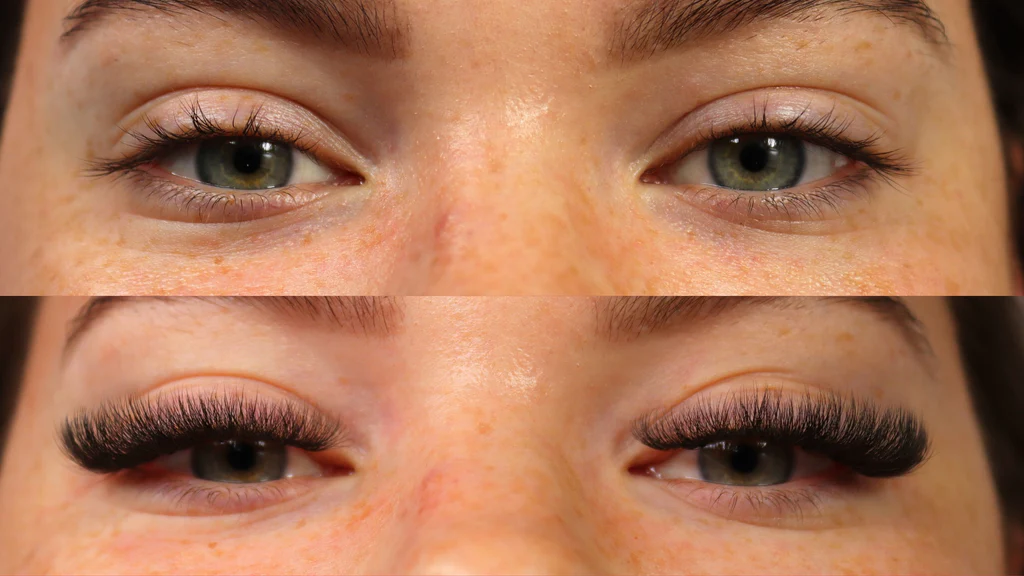
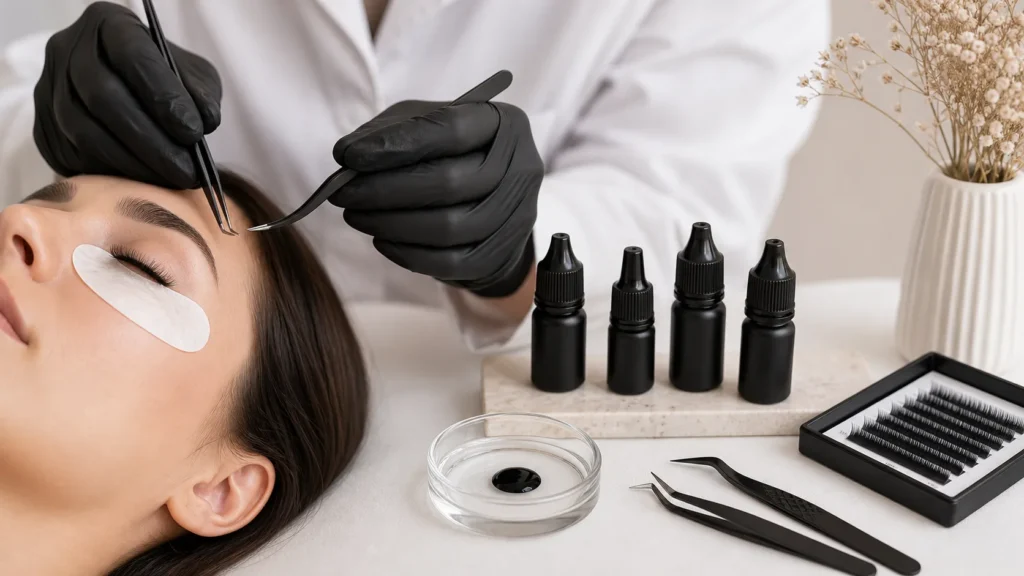
Bei Wimpernverlängerungen ist der Kleber genauso wichtig wie die Wimpern selbst. Der richtige Wimpernkleber kann den Tragekomfort verbessern, für eine bessere Haltbarkeit sorgen und das Risiko von Reizungen verringern. Es gibt nicht den einen besten Kleber für jede Kundin und jeden Kunden. Die beste Wahl hängt davon ab, wie schnell Sie arbeiten, wie empfindlich die Kundin oder der Kunde ist und welche Haut- und Lebensstilmerkmale vorliegen.
Dieser Leitfaden zeigt, wie Sie den Wimpernkleber auf die Bedürfnisse Ihrer Kundinnen und Kunden abstimmen – von Trocknungsgeschwindigkeit und Haftkraft bis hin zu Empfindlichkeit, Luftfeuchtigkeit und Nachpflege.
Wimpernklebertypen verstehen
Bevor Sie einen Kleber für eine Kundin oder einen Kunden auswählen, ist es hilfreich, die wichtigsten Kategorien zu kennen.
- Schnell trocknende Kleber: Ideal für erfahrene Wimpernstylistinnen und Wimpernstylisten, die eine schnelle Anwendung benötigen. Diese Formeln verbinden sich in weniger als 1–2 Sekunden, was den Prozess beschleunigen und einen gleichmäßigen Arbeitsablauf unterstützen kann.
- Kleber für empfindliche Augen: Für Kundinnen und Kunden mit empfindlichen Augen oder empfindlicher Haut entwickelt. Sie enthalten in der Regel eine geringere Konzentration an reizenden Stoffen und sollen Beschwerden reduzieren, insbesondere wenn die Kundin oder der Kunde zu Tränenfluss, Brennen oder Rötungen neigt.
- Kleber mit starker Haftkraft: Ideal für Kundinnen und Kunden, die sich länger haltbare Extensions wünschen. Diese Kleber sind für eine stärkere Verbindung ausgelegt und können bei fachgerechter Anwendung und Nachpflege eine Tragedauer von bis zu 6–8 Wochen unterstützen.
Eine praktische Orientierung bei der Kleberwahl: Schnellere Formeln ermöglichen der Wimpernstylistin oder dem Wimpernstylisten ein effizientes Arbeiten, sanftere Formeln helfen, empfindliche Kundinnen und Kunden zu schützen, und Kleber mit stärkerer Haftkraft verbessern die Haltbarkeit für Kundinnen und Kunden, die besondere Langlebigkeit benötigen.
Schnellentscheidungshilfe: Den Kleber auf die Kundin oder den Kunden abstimmen
| Kundenprofil | Passenderer Klebertyp | Warum er geeignet ist |
|---|---|---|
| Erfahrene Wimpernstylistin oder erfahrener Wimpernstylist mit Bedarf an Geschwindigkeit | Schnell trocknender Kleber | Unterstützt eine schnelle Platzierung und effiziente Anwendung |
| Empfindliche Augen oder Haut | Sensitiver oder hypoallergener Kleber | Hilft, Irritationen und Unbehagen zu minimieren |
| Fettige Haut | Schnelltrocknender Kleber oder Kleber mit starkem Halt | Öl kann die Haftung schwächen, daher ist eine stärkere Verbindung meist zuverlässiger |
| Trockene Haut | Flexibler Kleber | Zusätzliche Elastizität kann dazu beitragen, dass die Verbindung hält, ohne so leicht zu brechen |
| Aktiver Lebensstil, Schwimmen oder häufiges Training | Wasserfester, langanhaltender Kleber | Besser geeignet bei Schweiß und Feuchtigkeit |
| Feuchte Umgebung | Stark haftender Kleber, entwickelt für Bedingungen mit hoher Feuchtigkeit | Feuchtigkeit kann die Trocknung verlangsamen und die Leistung beeinträchtigen |
Vergleichen Sie das Klebeverhalten vor dem Kauf
Sobald Sie das Kundenprofil kennen, vergleichen Sie, wie sich der Kleber in der Praxis verhält. Die Trocknungsgeschwindigkeit beeinflusst die Arbeitszeit, die Haftkraft beeinflusst die Haltbarkeit und die Verträglichkeit beeinflusst den Tragekomfort. Die richtige Wahl hängt davon ab, welcher dieser Faktoren für Ihren Kunden am wichtigsten ist.
Wenn Sie zwischen verschiedenen Optionen wählen, nutzen Sie einfache Produktfilter wie schnellere Trocknungszeit, stärkere Haftung oder sanfterer Tragekomfort, um die Auswahl einzugrenzen. Das erleichtert es, die Formel auf den Termin, den Kunden und die Umgebung abzustimmen.
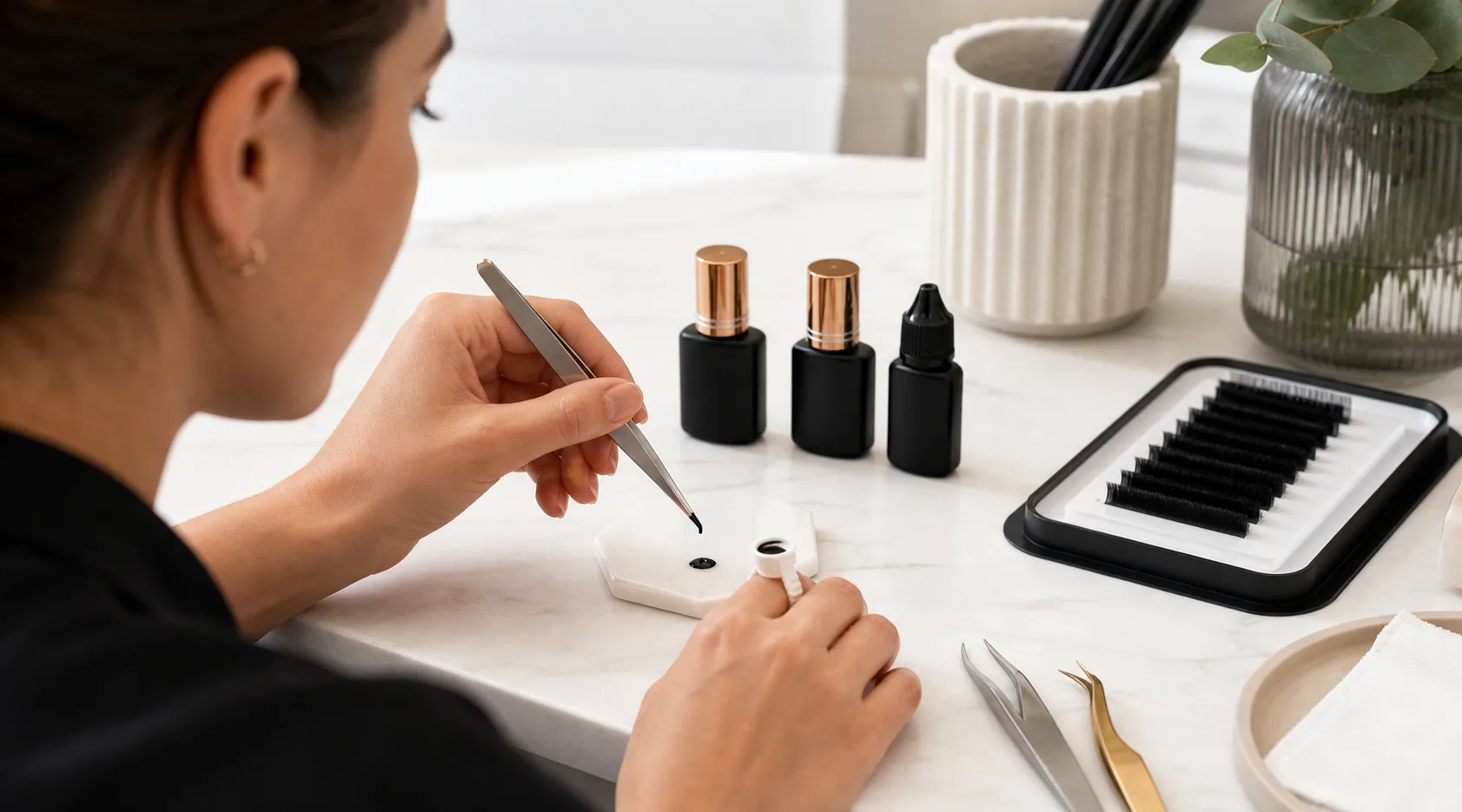
Stimmen Sie den Kleber auf die Empfindlichkeit des Kunden ab
Nicht jeder Kunde verträgt Klebstoff auf die gleiche Weise, daher sollte die Empfindlichkeit immer in die Entscheidung einfließen.
Empfindliche Haut
Wählen Sie für Kunden mit empfindlicher Haut einen sensitiven oder hypoallergenen Wimpernkleber. Diese Formeln sind in der Regel schonender und sollen das Risiko von Irritationen minimieren. Sie sind eine praktische erste Wahl, wenn Sie das Risiko einer Reaktion verringern und dennoch eine gute Haltbarkeit gewährleisten möchten.
Fettige Haut
Kunden mit fettiger Haut benötigen oft eine stärkere Haftung. Eine schnell trocknende oder stark haltende Formel ist in der Regel besser geeignet, da Fett es dem Kleber erschweren kann, an Ort und Stelle zu bleiben. In der Praxis bedeutet dies, dass der Kleber schnell haften und fest genug halten muss, um den natürlichen Hautölen zu widerstehen.
Trockene Haut
Kunden mit trockener Haut können von einem Kleber mit etwas mehr Flexibilität profitieren. Diese zusätzliche Elastizität kann dazu beitragen, dass der Kleber bequemer hält, ohne zu reißen. Wenn die Verbindung zu starr ist, kann die Haltbarkeit im Laufe der Zeit weniger stabil sein.
Berücksichtigen Sie Lebensstil und Umgebung
Der Lebensstil des Kunden kann ebenso wichtig sein wie der Hauttyp.
Aktiver Lebensstil
Wenn Ihr Kunde regelmäßig Sport treibt oder häufig schwimmt, wählen Sie einen wasserfesten, langlebigen Kleber, der Schweiß und Feuchtigkeit standhält. Diese Kunden setzen ihre Wimpern in der Regel mehr Wasser, Hitze und Bewegung aus, sodass die Haltbarkeit von einer Formel abhängt, die damit Schritt halten kann.
Empfindliche Augen
Für Kunden, die Kontaktlinsen tragen oder unter Augenallergien leiden, wird ein hypoallergener, dampfarmer Kleber empfohlen. Dies kann dazu beitragen, das Risiko von Reizungen während des Tragens zu verringern, und kann auch während der Anwendung angenehmer sein.
Umgebungen mit hoher Luftfeuchtigkeit
Die Luftfeuchtigkeit kann die Trocknungszeit und die Gesamtleistung beeinflussen. Wählen Sie unter feuchten Bedingungen einen Kleber, der für eine gute Leistung in feuchtigkeitsintensiven Umgebungen ausgelegt ist und dennoch einen starken Halt bietet. Wenn die Luft für die Formel zu feucht ist, kann die Haftung weniger berechenbar werden, weshalb das Klima ein echter Faktor bei der Kleberwahl ist.
Nutzen Sie einen Patch-Test als Sicherheitsmaßnahme
Ein Patch-Test ist immer ein sinnvoller Schritt, insbesondere bei Kunden mit empfindlicher Haut oder empfindlichen Augen. Tragen Sie vor der vollständigen Wimpernapplikation eine kleine Menge Kleber hinter dem Ohr oder auf der Innenseite des Handgelenks auf, um auf allergische Reaktionen oder Reizungen zu testen.
Dieser Schritt ersetzt kein sorgfältiges Beratungsgespräch, bietet jedoch eine zusätzliche Sicherheitsebene, bevor ein vollständiges Set appliziert wird. Er ist besonders nützlich, wenn der Kunde neu ist, eine Vorgeschichte von Empfindlichkeiten hat oder in der Vergangenheit über Reaktionen auf Schönheitsprodukte berichtet hat.
Auch die Nachpflege ist wichtig
Selbst der richtige Kleber erbringt ohne die richtige Nachpflege keine gute Leistung. Erinnern Sie Ihre Kunden daran:
- übermäßiges Berühren zu vermeiden,
- ölbasierte Make-up-Entferner zu vermeiden,
- ihre Wimpern in den ersten 24 Stunden trocken zu halten, damit sich der Kleber richtig verbinden kann.
Diese Anweisungen sind wichtig, da der Kleber Zeit zum Aushärten benötigt, bevor er Feuchtigkeit, Reibung oder Öl ausgesetzt wird. Eine gute Nachpflege trägt zum Schutz der Haltbarkeit bei und sorgt dafür, dass der fertige Look länger intakt bleibt.
Die Entscheidung in Ihre Produktauswahl einfließen lassen
Bei der Wahl des richtigen Wimpernklebers geht es vor allem darum, den Kleber auf den jeweiligen Kunden abzustimmen. Beginnen Sie mit der Empfindlichkeit und berücksichtigen Sie dann Hauttyp, Lebensstil und die Umgebung, in der die Wimpern getragen werden. Dieser Ansatz hilft Ihnen, Komfort, Haltbarkeit und Sicherheit gleichzeitig zu verbessern.
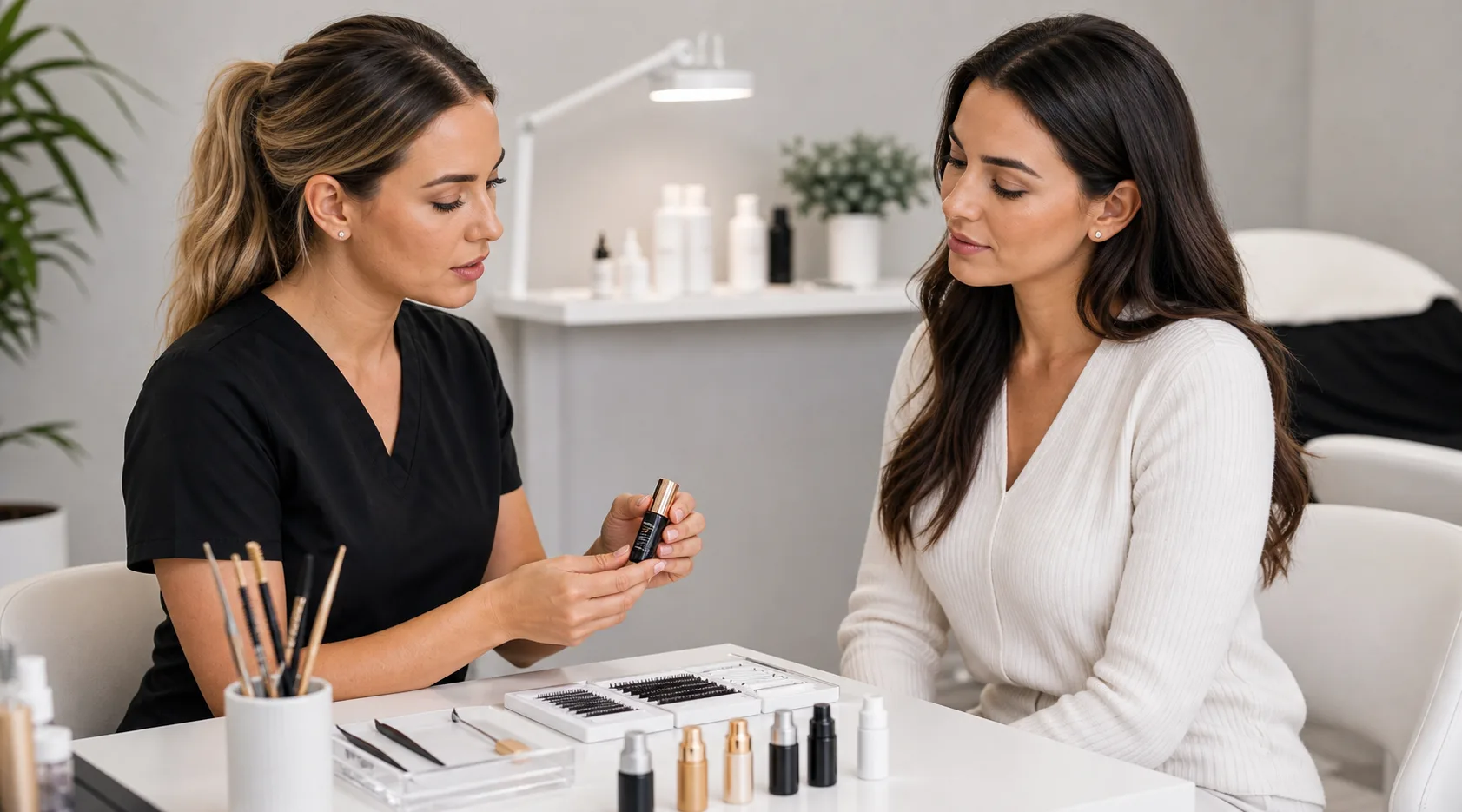
Für Wimpernstylisten, die eine markengestützte Bezugsquelle für Klebstoffoptionen suchen, bietet Lashfine Wimpernverlängerungsprodukte, die speziell für Beauty-Profis und Marken entwickelt wurden, zusammen mit Kundenservice und Unterstützung beim Private Labeling. Wenn Ihre Kundin eine schnell trocknende Option, eine sensitive Formel oder einen Kleber mit stärkerem Halt benötigt, ist es das Ziel, zuerst die Kategorie zu wählen, die zum Kundenprofil passt, und erst danach das konkrete Produkt.
Stöbern Sie als praktischen nächsten Schritt in den Wimpernverlängerungsprodukten von Lashfine und vergleichen Sie die Klebstoffoptionen nach Trocknungsgeschwindigkeit, Empfindlichkeitsstufe und Haltekraft. Wenn Sie Produkte für mehrere Kundentypen auf Lager haben, kann Lashfine Ihnen auch dabei helfen, ein Sortiment im Bundle-Stil für optimalen Halt zusammenzustellen, damit Sie immer den richtigen Kleber für langanhaltende Ergebnisse griffbereit haben.
FAQ
Welchen Wimpernkleber sollte ich für empfindliche Kunden verwenden?
Wählen Sie einen sensitiven oder hypoallergenen Kleber mit einer dampfarmen Formel, um Irritationen zu minimieren.
Welche Art von Wimpernkleber funktioniert am besten bei hoher Luftfeuchtigkeit?
Ein Kleber mit stärkerem Halt, der speziell für eine hohe Leistung bei Luftfeuchtigkeit entwickelt wurde, ist in der Regel die bessere Wahl.
Wann sollte ich einen schnell trocknenden Wimpernkleber wählen?
Wählen Sie einen schnell trocknenden Wimpernkleber, wenn Sie ein schnelleres Auftragen wünschen und bereits ein sicheres Arbeitstempo beim Platzieren der Wimpern haben. Er ist besonders nützlich für erfahrene Wimpernstylisten.
Warum ist ein Patch-Test vor einer vollständigen Applikation wichtig?
Ein Patch-Test hilft dabei, vor der vollständigen Applikation auf Irritationen oder allergische Reaktionen zu prüfen. Er bietet einen einfachen Sicherheitsschritt für empfindliche Kunden oder Erstkunden.