
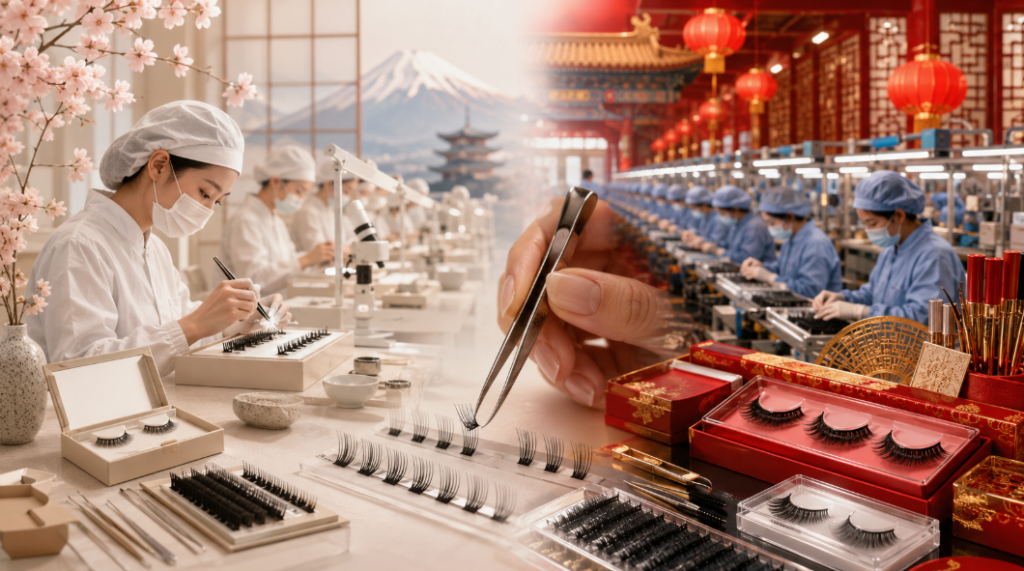
Wenn man die Herkunftsländer von Wimpern vergleicht, unterscheiden sich Japan und China in der Regel am stärksten in ihrer Positionierung: Japan wird häufiger mit hochwertiger Handwerkskunst und edler Aufmachung in Verbindung gebracht, während China typischerweise die kostengünstigere und skalierbarere Option für den Großeinkauf von Wimpern darstellt. Welche Wahl die bessere ist, hängt davon ab, ob Ihre Marke Wert auf ein Premium-Image oder auf Produktionseffizienz legt.
Überblick über die Großhandelsproduktion von Wimpern in Japan und China
Bevor man sie direkt miteinander vergleicht, ist es hilfreich zu verstehen, wie sich die einzelnen Märkte in der Wimpernbeschaffung typischerweise positionieren.
Japan: ein auf Nischenprodukte ausgerichteter Premium-Markt
Japan wird in der Regel nicht als Zentrum für die Massenproduktion von Wimpern beschrieben. Vielmehr wird das Land mit kleinerer Produktion, einer Premium-Positionierung und einem stärkeren Fokus auf Handwerkskunst und Produktverfeinerung in Verbindung gebracht. Bei der Beschaffung von Kosmetikprodukten in Japan suchen Einkäufer oft nach Fabriken, die Wert auf eine stabile Prozesskontrolle, eine sorgfältige Verarbeitung und eine hohe Verpackungsqualität legen, anstatt auf möglichst niedrige Stückkosten.
Das bedeutet in der Regel einen kleineren Lieferantenstamm, der sich jedoch möglicherweise auf Beständigkeit, feinere Details und eine hochwertigere Produktpräsentation konzentriert. Für Einkäufer sind nicht allgemeine Behauptungen über “japanische Qualität” der aussagekräftigste Beweis, sondern messbare Nachweise. Fragen Sie, ob der Lieferant Folgendes vorweisen kann:
- ein anerkanntes Qualitätsmanagementsystem wie beispielsweise ISO 9001
- Kontrollmaßnahmen in der Kosmetikherstellung oder Produktionsverfahren nach GMP-Richtlinien
- Prüfprotokolle zur Konsistenz der Locken, zur Symmetrie der Strähnen und zur Verpackungsgenauigkeit
- Musterabnahmeprotokolle vor der Serienfertigung
Diese Unterlagen sind wichtig, weil sie zeigen, ob der Lieferant eine gleichbleibende Qualität gewährleisten kann und nicht nur ein einziges gutes Muster herstellt.
China: ein groß angelegter, kostengünstiger Standort
China ist einer der etabliertesten Beschaffungsstandorte für Schönheitsprodukte, darunter auch Wimpern. Für Großhandelskäufer steht China oft für größere Produktionskapazitäten, eine breitere Produktpalette, schnellere OEM-/ODM-Unterstützung und Preise, die in der Regel wettbewerbsfähiger sind als auf Premium-Märkten. Es wird zudem häufig für Eigenmarkenprojekte gewählt, bei denen Individualisierung eine wichtige Rolle spielt.
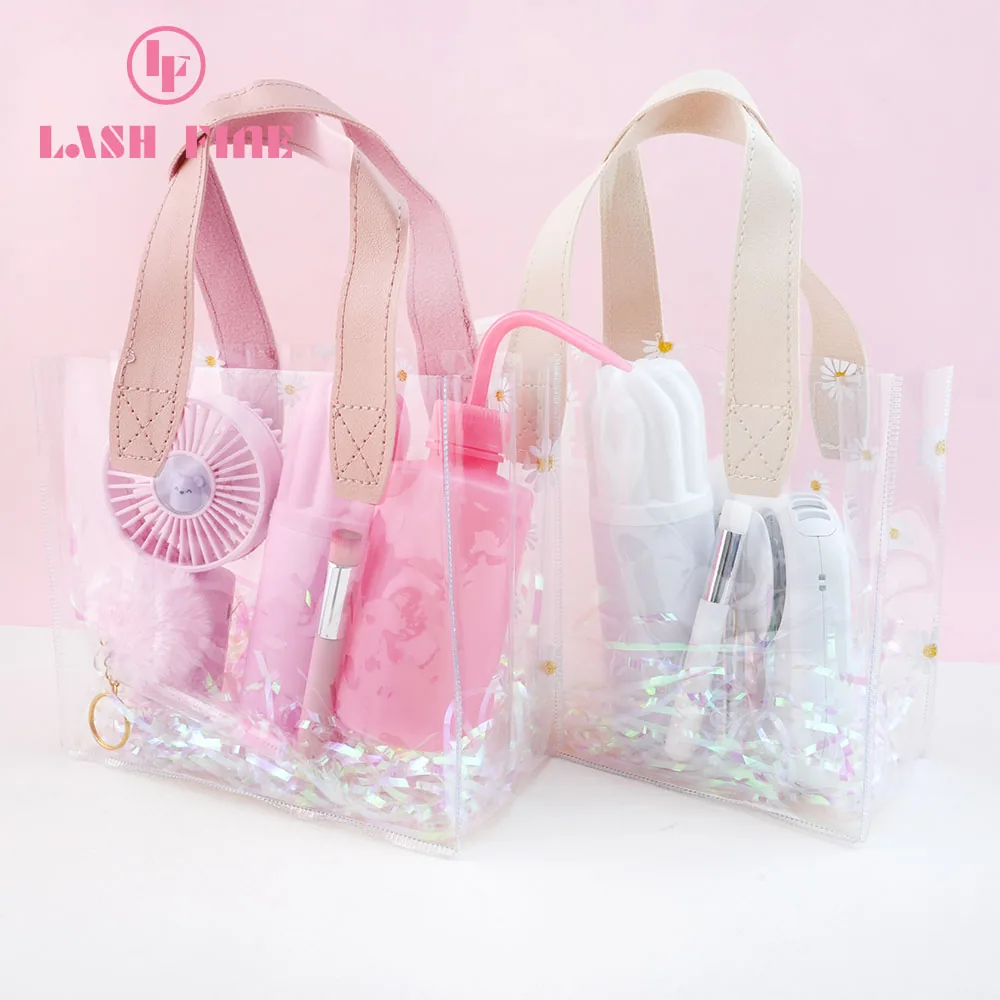
In der Praxis vergleichen Einkäufer chinesische Fabriken häufig anhand messbarer Kriterien wie Mindestbestellmenge, Bearbeitungszeit für Muster, Produktionsfristen und der Frage, ob der Lieferant die Verpackung unter Eigenmarken unterstützen kann. Das sind die Details, die darüber entscheiden, ob die Fabrik wirklich für den Großhandel geeignet ist.
Wenn der Lieferant angibt, ein etablierter Exporteur zu sein, sollten Käufer Exportnachweise, gegebenenfalls Zolldokumente oder eine Versandhistorie für bestimmte Produktkategorien anfordern. Dies sind stichhaltigere Belege als allgemeine Marketingaussagen über die Unternehmensgröße.
Gemeinsamkeiten bei der Großhandelsproduktion von Wimpern
Trotz ihrer unterschiedlichen Marktpositionen weisen China und Japan einige wichtige Gemeinsamkeiten bei der Beschaffung auf:
- Beide Märkte sind in der Lage, Großhandelsbestellungen für Wimpern zu bedienen und beschränken sich nicht nur auf den Einzelhandel.
- Beide werden von Käufern genutzt, denen Produktkonsistenz und Fertigungsdisziplin wichtig sind.
- Beide eignen sich für Marken, die wiederverwendbare Wimpernprodukte für den langfristigen Verkauf entwickeln möchten.
- Beide Märkte bieten je nach Anbieter möglicherweise Unterstützung bei der Produktentwicklung an.
- In beiden Ländern lassen die besten Lieferanten in der Regel vor der Serienproduktion Muster genehmigen, was ein wichtiges Qualitätskontrollschritt für Wimpernbänder, die Form der Wimpern, die Anordnung in der Verpackung und die Druckgenauigkeit auf der Umverpackung darstellt.
Diese Gemeinsamkeiten sind von Bedeutung, da sie zeigen, dass der entscheidende Faktor in der Regel nicht darin besteht, ob ein Land überhaupt Wimpern herstellen kann, sondern ob der Lieferant die genauen Vorgaben des Käufers zum richtigen Preis und in der richtigen Lieferzeit erfüllen kann.
Unterschiede bei der Massenproduktion von Wimpern
Die größten Unterschiede zwischen China und Japan zeigen sich in der Qualitätspositionierung, der Produktvielfalt, der Preisgestaltung und den Anpassungsmöglichkeiten.
Qualität von Wimpernprodukten
Japan wird in der Regel mit einem Image von höherer Qualität assoziiert, insbesondere wenn Käufer auf raffinierte Handwerkskunst und eine hochwertige Verarbeitung Wert legen. In Bezug auf die Beschaffung bedeutet diese Premium-Position meist strengere Anforderungen an die Gleichmäßigkeit der Fasern, die Geradheit der Bahnen, die Präsentation in den Trays und die Konsistenz von Charge zu Charge.
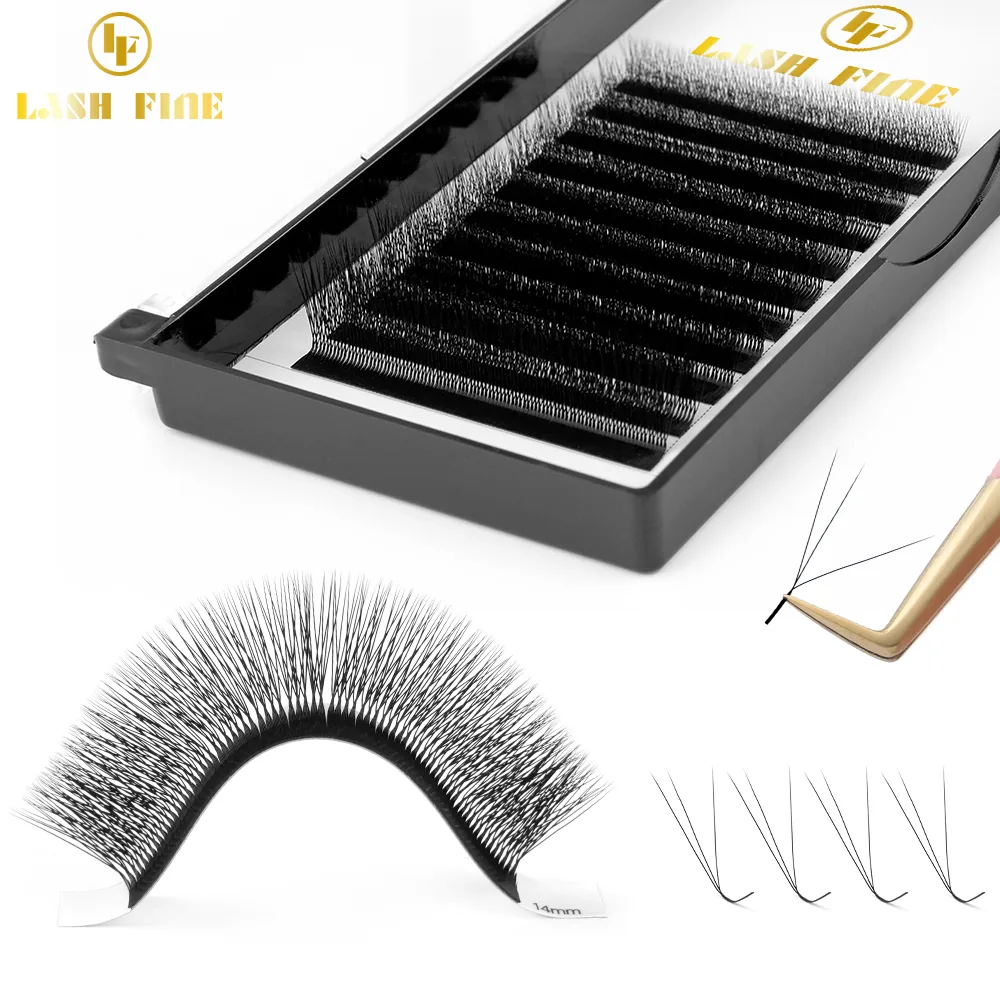
China hingegen wird oft wegen seiner zuverlässigen Großhandelsqualität zu einem günstigeren Preis gewählt. Das bedeutet nicht, dass chinesische Produkte von minderer Qualität sind; vielmehr wird dieser Markt in der Regel von Marken genutzt, die eine akzeptable bis gute Produktionsqualität anstreben und gleichzeitig die Stückkosten niedrig halten wollen.
Eine praktische Methode, um die beiden zu vergleichen, besteht darin, denselben Datensatz anhand messbarer Kriterien zu bewerten:
- Bandkonsistenz: Liegt jeder Streifen flach auf und behält er seine Form?
- Lockenhaltbarkeit: Behalten die Wimpern nach dem Anlegen ihren gewünschten Schwung?
- Gleichmäßigkeit der Fasern: Sind die Fasern gleichmäßig ausgerichtet und von ähnlicher Dicke?
- Verpackungsgenauigkeit: Stimmen die Stückzahlen auf den Paletten, die Etiketten und die aufgedruckten Angaben?
- Fehlerquote in den Stichproben: Wie viele Schalen weisen unregelmäßige Fasern, Kleberrückstände oder Formabweichungen auf?
In beiden Ländern hängt die Endqualität nach wie vor von der jeweiligen Fabrik, den Rohstoffen, der Prozesskontrolle und den Auftragsspezifikationen ab. Käufer sollten vor der Erteilung eines Großauftrags Muster anfordern und die Gleichmäßigkeit der Wimpernkrümmung, die Bandstärke, die Weichheit der Fasern sowie die Genauigkeit der Verpackung vergleichen.
Eine nützliche Regel für die Lieferantenauswahl lautet: Wenn ein Lieferant interne Qualitätskontrollverfahren, eine dokumentierte Prüfprozedur oder Prüfungen durch unabhängige Dritte nachweisen kann, die an einschlägige Kosmetik- oder Verpackungsnormen geknüpft sind, ist dies ein stärkerer Beweis als allgemeine Qualitätsversprechen allein. Einkäufer sollten sich zudem nach den Umtauschbedingungen des Lieferanten für defekte Schalen erkundigen und fragen, ob die Kontrollen nach einem AQL-ähnlichen Stichprobenplan erfolgen, da dies praktische Indikatoren für Qualitätsdisziplin sind.
Auswahl an Wimpernprodukten
Haben Sie sich schon einmal gefragt, welche Wimpernprodukte China und Japan für Großbestellungen anbieten? In der Praxis zeigt sich der Unterschied in der Vielfalt oft darin, wie umfangreich das Sortiment eines Anbieters ist und wie schnell er zusätzliche Artikel aufnehmen kann.
- Japan: stärker auf hochwertige, raffinierte Wimpernprodukte und eine Nischenpräsentation ausgerichtet
- China: besser geeignet für eine breitere Palette an Großhandelsmodellen und die Entwicklung von Produkten im OEM-Stil
- China: oft offener für markenspezifische Verpackungen und individuelle Produktwünsche
- Japan: könnte für Käufer besser geeignet sein, die einen kuratierten Katalog mit einem strengeren ästhetischen Anspruch suchen
Wenn Ihr Ziel eine schnelle Produktentwicklung für eine Vielzahl von Artikelnummern ist, ist China in der Regel die flexiblere Option. Wenn Sie hingegen eine Premium-Marktposition mit einem kleineren, sorgfältig zusammengestellten Sortiment anstreben, ist Japan möglicherweise die bessere Wahl.
Produktpreise und Produktionskosten
Die Preisgestaltung ist einer der deutlichsten Unterschiede zwischen den beiden Märkten.
- China: Der Entwurf beziffert die Großhandelspreise auf etwa $1,5–5,5 pro Tablett.
- Japan: Der Entwurf beziffert die Großhandelspreise auf etwa 1 TP4T3,5–8 pro Tablett.
Diese Preisangaben dienen lediglich als Anhaltspunkt und stellen keine festen Marktpreise dar, da die endgültigen Kosten vom Wimperntyp, dem Material, der Bestellmenge, der Verpackung und den individuellen Anpassungswünschen abhängen. Ein Käufer, der Angebote vergleicht, sollte stets klären, ob das Angebot die Kartonbeschriftung, Einlegeblätter, den Logodruck, Mustergebühren und die Versandbedingungen umfasst, da diese Faktoren die Gesamtkosten erheblich beeinflussen können.
China ist aufgrund niedrigerer Arbeits- und Produktionskosten in der Regel der kostengünstigere Beschaffungsstandort. Japan ist tendenziell teurer, da dort höhere Standards, feineres handwerkliches Können und strengere Anforderungen an die Produktionsprozesse im Vordergrund stehen.
Bei Beschaffungsentscheidungen ist nicht nur der Stückpreis, sondern der Gesamtwert der aussagekräftigste Vergleichsmaßstab. So kann beispielsweise eine günstigere Schale, die mit ungleichmäßigen Wölbungen oder in mangelhafter Verpackung geliefert wird, unter Umständen letztlich teurer sein, wenn sie Nacharbeiten oder Kundenbeschwerden nach sich zieht. Einkäufer sollten daher den Preis zusammen mit den Prüfergebnissen und der Reaktionsfähigkeit des Lieferanten vergleichen.
Wenn Sie einen übersichtlicheren Vergleich haben möchten, bitten Sie beide Anbieter um dieselbe Angebotsstruktur:
- Stückpreis pro Schale
- Bestellmengen pro Modell und pro Verpackungsdesign
- Kosten für Muster und Zeitpläne für die Musterfertigung
- Zeitpläne für die Serienfertigung
- Umtauschrichtlinie bei Mängeln
- ob das Angebot den Aufdruck eines individuellen Logos beinhaltet oder nur eine neutrale Verpackung
Dadurch wird der Preisunterschied messbar und hängt nicht mehr von der Anzahl der Impressionen ab.
Möglichkeiten zur Eigenmarkierung und individuellen Anpassung
Eigenmarken und individuelle Anpassungen sind wichtig für Marken, die ihre Produkte unter eigenem Namen verkaufen möchten, anstatt als Wiederverkäufer von No-Name-Produkten aufzutreten. Hier zeigt sich der Unterschied zwischen den beiden Ländern in der Regel besonders deutlich in der Praxis.
China ist in der Regel die bessere Wahl für Käufer, die OEM-/ODM-Unterstützung, individuelle Verpackungen und eine flexiblere Produktanpassung wünschen. Bei einem Eigenmarkenprojekt kann dies den Aufdruck von Logos, das Verpackungsdesign, Beilagen, die Anordnung der Einlegeböden sowie SKU-spezifische Etikettenformate umfassen. Außerdem erleichtert es Marken den Aufbau einer Produktlinie, ohne große Mengen an generischem Lagerbestand vorhalten zu müssen.
Japan kann auch die Beschaffung von Marken-Wimpern unterstützen, doch ist der Markt dort in der Regel selektiver und legt mehr Wert auf eine hochwertige Präsentation als auf die Anpassung großer Stückzahlen. Daher eignet sich Japan besser, wenn Markenimage und Produktverfeinerung wichtiger sind als Vielfalt oder kostengünstige Massenproduktion.
Eine sinnvolle Methode, um die Anpassungsmöglichkeiten zu beurteilen, besteht darin, bei jedem Anbieter das gleiche Datenblatt anzufordern und diese miteinander zu vergleichen:
- Mindestbestellmenge für Sonderverpackungen
- Beispielzeitpläne für die Überarbeitung von Druckvorlagen
- ob die Fabrik Barcodes oder Etiketten für den Einzelhandel drucken kann
- Wie viele Verpackungsoptionen stehen pro Artikelnummer zur Verfügung?
- ob der Lieferant bei Nachbestellungen das gleiche Design beibehalten kann
Wenn ein Lieferant diese Fragen eindeutig beantworten und anhand von Vorproduktionsmustern belegen kann, ist dies ein stärkerer Beweis für echte Eigenmarken-Kompetenz als allgemeine Marketingformulierungen.
Typische Beschaffungs-Benchmarks zum Vergleich
Da viele Aussagen auf dem Markt zur Herkunft von Wimpern vage klingen können, sollten Käufer ihren Vergleich auf konkrete Nachweise der Lieferanten stützen. Nützliche Anhaltspunkte sind unter anderem:
- Qualitätsstandards: ISO 9001 für das Qualitätsmanagement sowie gegebenenfalls für die Kontrollen bei der Kosmetikherstellung oder die Produktionsdokumentation nach GMP-Standards
- Handels- und Exportdatenbanken: nationale Zolldaten oder Exportunterlagen des Unternehmens, sofern verfügbar, die Aufschluss darüber geben können, ob es sich bei einer Fabrik um einen regelmäßigen Exporteur oder lediglich um einen inländischen Wiederverkäufer handelt
- Branchenverbände: nationale Verbände der Kosmetik- oder Fertigungsbranche, die bei der Suche nach etablierten Lieferanten helfen können
- Anzufordernde Produktionskennzahlen: monatliche Produktionskapazität, Bestellmengen pro Modell, Zeitpläne für die Musterfertigung und typische Zeitpläne für die Serienfertigung
- Zu erfragende Qualitätskennzahlen: Fehlerquote in Prüfberichten, AQL-Stichprobenverfahren und Austauschrichtlinien für fehlerhafte Trays
Wenn ein Lieferant diese grundlegenden Informationen nicht vorlegen kann, sollten Einkäufer pauschale Behauptungen über Premiumqualität oder Großserienfertigung mit Vorsicht betrachten. Bitten Sie nach Möglichkeit um namentliche Geschäftsreferenzen in Form von Unternehmensregistrierungsdaten, Werksauditberichten oder Zahlen, die unabhängig überprüft werden können. Selbst wenn das Werk nicht jedes Detail veröffentlicht, sollte ein seriöser Lieferant in der Lage sein, zu erklären, wie sein Qualitätssystem funktioniert und welche Unterlagen er im Rahmen der Due Diligence vorlegen kann.
So wählen Sie die beste Option für Ihr Unternehmen aus
Wählen China falls du möchtest:
- niedrigere Großhandelspreise
- größere Flexibilität bei OEM/ODM
- einfachere Entwicklung von Eigenmarken
- ein Beschaffungsmodell, das eine größere oder schnellere Skalierung ermöglicht
- ein Lieferantenpool, der oft offener für Anpassungen bei Verpackungen und Artikelnummern ist
Wählen Japan falls du möchtest:
- ein hochwertiges Markenimage
- eine stärker handwerklich geprägte Produktpositionierung
- eine sorgfältig zusammengestellte Wimpernkollektion für das gehobene Marktsegment
- stärkere Fokussierung auf Produktverbesserung statt auf den Preis
- eine Beschaffungsgeschichte, die die Premium-Positionierung in Ihrem eigenen Marketing untermauert
Eine einfache Entscheidungshilfe lautet: Wenn Ihre Marke in den Bereichen Größenvorteile, Gewinnspanne und Individualisierung punkten will, ist China in der Regel die praktischere Wahl. Wenn Ihre Marke hingegen in den Bereichen Präsentation, Raffinesse und Premium-Image punkten will, könnte Japan die bessere strategische Wahl sein.
Letzte Erkenntnis
Sowohl China als auch Japan spielen eine Rolle bei der Beschaffung von Wimpern im Großhandel, verfolgen dabei jedoch unterschiedliche geschäftliche Ziele. China ist in der Regel die praktischere Wahl für preisbewusste Marken und die Entwicklung von Eigenmarken. Japan ist meist die bessere Wahl für Einkäufer, die Wert auf eine Premium-Positionierung und eine edle Produktpräsentation legen.
Lashfine empfiehlt, Anbieter anhand derselben Checkliste, derselben Musterkriterien und derselben Angebotsstruktur zu vergleichen. So basiert die Entscheidung auf konkreten Fakten aus der Produktion und nicht auf landesüblichen Klischees.
Wenn Sie Anbieter vergleichen, ist es am sichersten, Muster anzufordern, die Spezifikationen nebeneinander zu vergleichen und den Hersteller auszuwählen, der Ihren Preisvorstellungen, Ihrem Markenimage und Ihrem Auftragsvolumen entspricht. Verlassen Sie sich nicht allein auf den Ruf des jeweiligen Landes, sondern nutzen Sie messbare Beschaffungskriterien wie Auftragsmengen, Produktionsfristen, Nachweise zur Qualitätskontrolle, Verpackungsgenauigkeit und Lieferabdeckung.
FAQ
Welches Land eignet sich besser für Wimpernbestellungen in kleinen Stückzahlen?
China ist bei der kostengünstigen Großserienfertigung oft flexibler, doch hängt die tatsächliche Antwort von der jeweiligen Fabrik ab. Manche japanische Zulieferer akzeptieren möglicherweise kleinere Bestellungen für Premium-Produktlinien, während manche chinesischen Fabriken für Sonderverpackungen nach wie vor nennenswerte Bestellmengen verlangen.
Welches Land eignet sich besser für Eigenmarken im Bereich Wimpern?
China ist in der Regel die bessere Wahl für Eigenmarken, da es häufig mit OEM-/ODM-Unterstützung, individueller Verpackungsgestaltung und kosteneffizienter Skalierung in Verbindung gebracht wird.
Ist die Qualität in Japan immer besser als in China?
Nein. Japan gilt zwar allgemein als Premium-Standort, doch hängt die Qualität nach wie vor von der jeweiligen Fabrik, den Rohstoffen, dem Prüfverfahren und den Auftragsspezifikationen ab. Eine gut geführte chinesische Fabrik kann einen schwachen japanischen Lieferanten in puncto Gleichmäßigkeit der Qualität übertreffen.
Wie sollten Einkäufer die Angaben der Lieferanten überprüfen?
Bitten Sie um Muster, Produktionsspezifikationen, voraussichtliche Produktionszeitpläne, gegebenenfalls relevante Unterlagen sowie schriftliche Prüfverfahren. Vergleichen Sie nach Möglichkeit mehrere Lieferanten anhand derselben Checkliste, damit Preis und Qualität leichter fair bewertet werden können.
Wie kann man Angebote am sichersten vergleichen?
Vergleichen Sie das Gesamtangebot, nicht nur den Preis pro Einheit. Berücksichtigen Sie dabei auch Verpackungskosten, Druckkosten, Mustergebühren, Versandbedingungen und die Ersatzregelung, da diese Details die Gesamtkosten und das endgültige Risikoprofil erheblich beeinflussen können.