

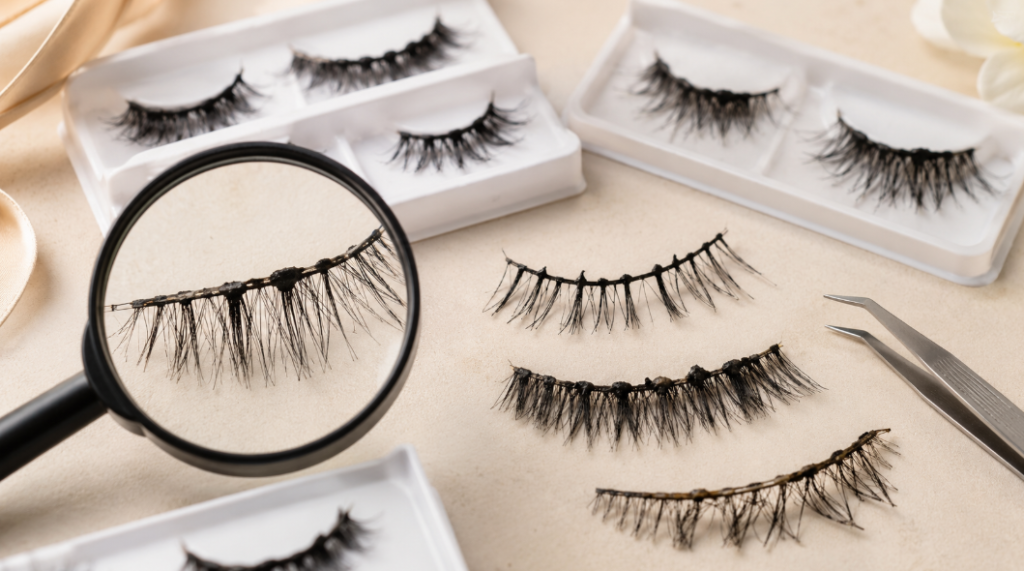
Genele de calitate inferioară se caracterizează, de obicei, prin o curbură inegală, o fixare slabă, o senzație de rigiditate sau greutate la purtare, grupuri fragile și un ambalaj neprofesionist. Dacă un furnizor nu poate oferi explicații cu privire la specificațiile materialelor, condițiile de testare și uniformitatea loturilor, tratați produsul cu prudență.
Dacă vindeți extensii de gene, dețineți un salon sau dezvoltați o marcă de produse pentru gene, calitatea produselor influențează durata aplicării, rezistența, confortul clientei, programările repetate și risipa de produs. Genele de calitate inferioară pot duce la rezultate inegale și la reclamații care ar putea fi evitate, chiar și atunci când tehnica specialistului este impecabilă.
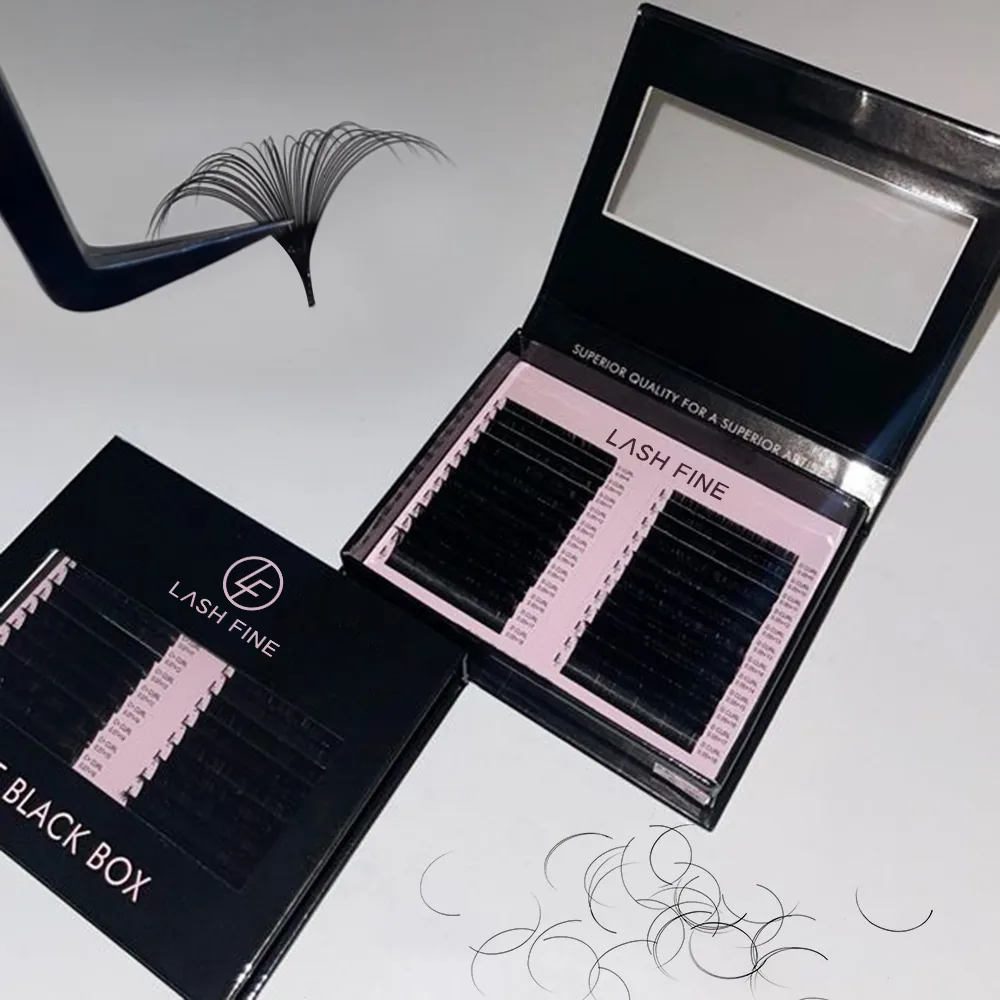
Pentru cumpărători și proprietarii de mărci care caută un lanț de aprovizionare mai fiabil, Lashfine se poziționează ca un partener de afaceri specializat în produse pentru extensii de gene, marci private și servicii de asistență pentru clienți. Cu ani de experiență în industria genelor, Lashfine afirmă că își dezvoltă produsele ținând cont de opiniile experților și de cerințele clienților, aspecte care pot conta atunci când se compară tăvi, loturi și consistența stocurilor pe termen lung.
Acest ghid prezintă cinci semne practice care indică faptul că stocul dvs. de gene ar putea avea performanțe sub așteptări. De asemenea, vă explică ce trebuie să verificați, astfel încât să puteți compara produsele pe baza unor caracteristici măsurabile, și nu doar pe baza discursului de marketing.
1. Buclele sau formele inegale
Ce observi: Genele par uniforme în cutie, dar curbura lor se modifică după aplicare. De asemenea, unele cutii pot prezenta diferențe de la un lot la altul, ceea ce face ca completările și seturile complete să fie mai greu de prevăzut.
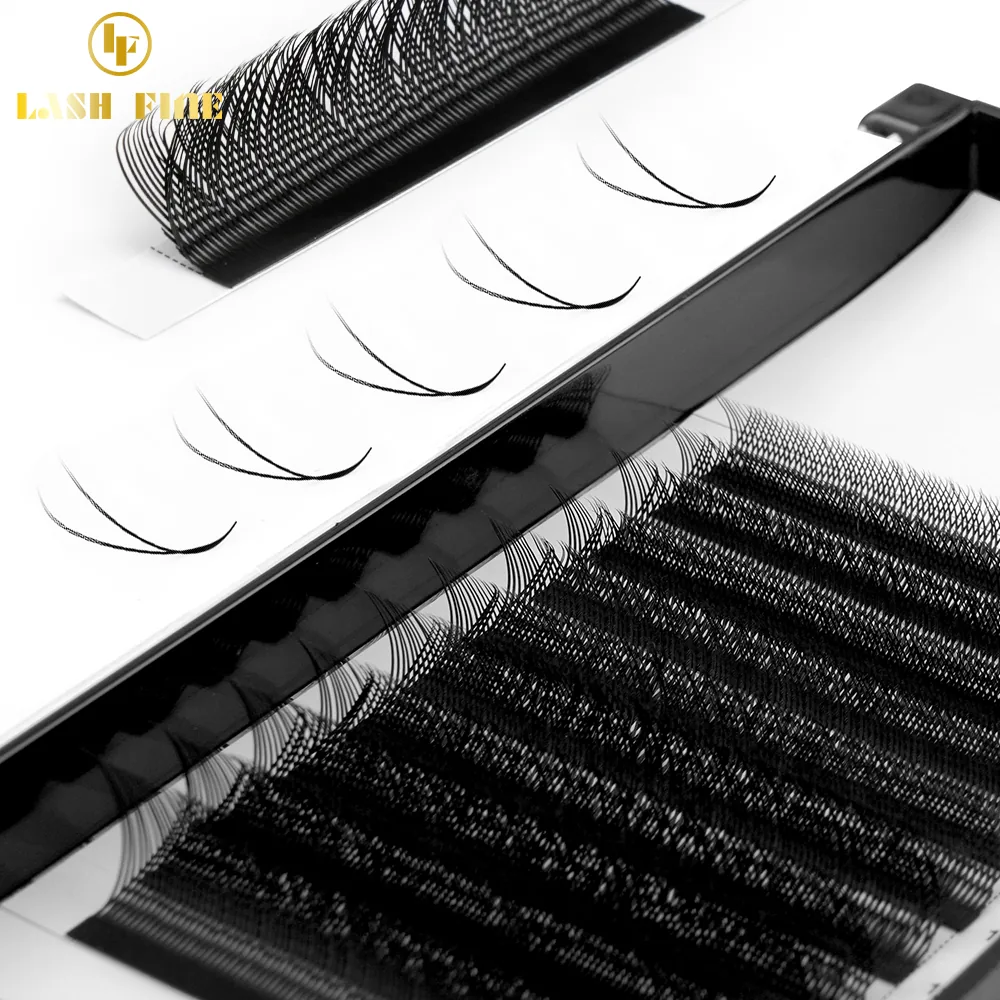
De ce este important: Stabilitatea buclelor influențează aspectul final, mai ales atunci când produsul este expus la căldură, umiditate sau la manipulare în timpul preluării și aplicării. Dacă memoria fibrei este slabă sau toleranțele de fabricație sunt prea mari, buclele se pot aplatiza sau își pot schimba forma.
Ce o provoacă de obicei:
- Fibre sintetice netratate sau de calitate inferioară
- Toleranțe de fabricație largi în ceea ce privește ondularea, lungimea sau diametrul
- Fixare termică insuficientă în timpul producției
- Inspecție limitată a lotului înainte de expediere
Ce să cauți în schimb:
- Model de ondulare uniform pe toată suprafața tăvii
- Formă stabilă după manipulare și în condiții normale de salon
- Specificații clare privind fibrele, cum ar fi clasa de fibre PBT sau compoziția materialului
- Formulări din domeniul controlului calității care descriu uniformitatea lotului, nu doar finisajul “premium”
Elemente de dovadă cuantificabile care trebuie solicitate sau verificate:
- Verificări ale uniformității ondulării de la tavă la tavă
- Condițiile de testare a rezistenței la căldură și umiditate, dacă sunt disponibile
- Toleranțe dimensionale pentru lungime, diametru și tipul de ondulare
- Informații concrete despre materiale, cum ar fi mențiunea că este vorba de fibră PBT obținută fără cruzime față de animale, în loc de afirmații generice precum “fibră sintetică”
Dacă un furnizor poate descrie condițiile de testare, variația acceptabilă și etapa de inspecție utilizată înainte de ambalare, această afirmație este mai utilă decât o promisiune generală privind calitatea. Comparați mai multe tăvi din aceeași linie de producție, apoi verificați dacă același tip și aceeași lungime de buclă se comportă în același mod în timpul preluării, formării evantaiului și uzurii.
2. Retenție slabă a genelor
Ce observi: Clienții își pierd genele prea repede, completările par rare mai devreme decât se așteptau, iar căderea genelor pare excesivă în comparație cu servicii similare.
De ce este important: Rezistența depinde nu doar de adeziv. Suprafața genelor, forma bazei, pregătirea clientei, umiditatea și metoda de aplicare – toate aceste elemente influențează cât de bine se fixează extensia.
Printre cauzele frecvente se numără:
- O suprafață a genelor alunecoasă sau pregătită necorespunzător
- Curățarea sau pregătirea necorespunzătoare a genelor naturale
- Adezivul utilizat în afara intervalului ideal de temperatură sau umiditate
- Modele de bază care nu permit o lipire sigură
Ce să cauți în schimb:
- Baze pentru gene concepute pentru o mai bună aderență a adezivului
- Instrucțiuni clare privind compatibilitatea adezivilor și condițiile din salon
- Produse de pretratare care contribuie la o curățare și pregătire corespunzătoare
- Evitați afirmațiile vagi, precum “prindere mai bună”, fără detalii privind testarea
Elemente de dovadă cuantificabile care trebuie solicitate sau verificate:
- Indicatori de retenție exprimați în săptămâni, nu doar formulări promoționale
- Intervalele de performanță ale adezivului depind de condițiile de umiditate și temperatură
- Date comparative față de un nivel de referință definit, dacă sunt furnizate de producător
- Detalii privind proiectarea suprafeței sau a bazei care explică de ce lipirea ar putea îmbunătăți performanța
Dacă o afirmație referitoare la un produs menționează o retenție mai bună, întrebați ce anume a fost testat, în ce condiții și în comparație cu ce valoare de referință. O afirmație precum “30% retenție mai bună” are sens doar dacă sunt specificate metoda de testare, mărimea eșantionului și produsul de comparație. Fără acest context, este vorba mai degrabă de o afirmație de marketing decât de o măsură verificabilă a performanței.
În ceea ce privește evaluarea adezivului, este util să se țină cont și de criterii practice din salon, precum intervalul de lucru al adezivului, comportamentul său la întărire și compatibilitatea cu mediul în care se aplică genele. Un proces util de achiziție este simplu: testați linia genelor pe un grup restrâns de clienți, înregistrați durata de rezistență săptămânal și comparați rezultatele cu același adeziv și același proces de aplicare în care aveți deja încredere.
3. Senzație de rigiditate, greutate sau nenaturalitate
Ce observi: Genele par rigide, au un aspect excesiv de lucios sau par grele pe ochi. Clienții le pot descrie ca fiind incomode sau mai puțin naturale decât se așteptau.
De ce este important: Confortul influențează satisfacția clienților și decizia acestora de a reveni. Genele care par dense, dar sunt rigide la atingere, pot fi mai greu de purtat și s-ar putea să nu fie potrivite pentru sănătatea genelor naturale sau pentru obiectivele de stil.
Ce să cauți în schimb:
- Construcție ușoară
- Comportamentul fibrelor moi și flexibile
- Specificațiile materialelor care identifică clasa fibrei
- Un finisaj bine controlat, care nu dă impresia de a fi excesiv de „plastic”
Detalii privind materialele care sporesc încrederea:
- Fibră PBT obținută fără cruzime față de animale
- Fibră PBT coreeană sau germană, atunci când acest lucru este specificat în mod expres de către furnizor
- Precizați informațiile privind diametrul și conicitatea pentru a obține diferite stiluri
- Descrieri ale produselor care fac distincție între moliciune, flexibilitate și aspectul final
În loc să te bazezi pe sloganurile repetate ale mărcii, compară produsul în funcție de caracteristicile sale fizice: greutate, flexibilitate, rezistența buclelor și modul în care se comportă fibra atunci când este izolată între pensete. Acestea sunt calitățile care influențează mai mult experiența de utilizare decât o etichetă vagă precum “lux”.
O verificare practică utilă este simplă: comparați comportamentul genelor în timpul preluării, formării evantaiului și aplicării. Dacă se simt rigide în pensetă, au un aspect plastic lucios sau formează un set mai greu decât era de așteptat la același diametru, este posibil să fie mai puțin potrivite pentru clientele care doresc un volum delicat sau un stil natural.
Pentru companiile care oferă și linii de gene sub marcă proprie sau personalizate, transparența furnizorului în ceea ce privește calitatea fibrelor, conicitatea și finisajul poate fi deosebit de importantă. Accentul pus de Lashfine pe produsele pentru extensii de gene și pe marcarea sub marcă proprie răspunde acestei nevoi: un partener de afaceri ar trebui să poată susține selecția produselor cu specificații clare, nu doar cu o etichetă bine realizată.
4. Evaporatoare care prezintă semne de uzură, sfâșiere sau rupere
Ce observi: Extensiile prefabricate sau „promade” se desprind în tavă, se destramă în timpul aplicării sau se rup după aplicare. În cele mai grave cazuri, coafura arată inegal încă înainte ca clientul să părăsească scaunul.
De ce este important: Integritatea ventilatorului influențează viteza, uniformitatea și aspectul general al ansamblului finit. O lipire slabă poate genera deșeuri, poate prelungi timpul de aplicare și poate diminua încrederea în linia de produse.
De ce se întâmplă acest lucru:
- Aderență slabă între fibre
- Construcție cu baze slabe
- Inconsistența fibrelor în interiorul ventilatorului
- Materiale de calitate inferioară care nu își păstrează bine forma în timpul manipulării
Ce să cauți în schimb:
- Structură stabilă a ventilatorului, cu un comportament de pornire lin
- Modele de bază descrise în mod clar de către producător
- Deschidere uniformă a palelor ventilatorului și pierderi minime la nivelul fibrelor divizate
- Opțiuni de produs care specifică designul de bază, în loc să se bazeze pe revendicări generale
Elemente de dovadă cuantificabile care trebuie solicitate sau verificate:
- Comparație între rupere și cădere în condiții normale de manipulare
- Verificarea integrității ventilatoarelor după preluare și amplasare
- Descrieri ale structurii bazei, inclusiv precizarea dacă baza este standard, decupată cu laser sau modificată în alt mod pentru lipire
- Comparații privind rata de defectare între diferite tipuri de ventilatoare, în cazul în care furnizorul le pune la dispoziție
Pe cât posibil, cereți informații practice legate de utilizarea efectivă în salon: stabilitatea la aplicare, viteza de separare a părului și dacă coafura își păstrează forma pe durata aplicării și a purtării. Aceste detalii sunt mai utile decât expresiile generice de genul “de înaltă calitate”.
De asemenea, merită să ne întrebăm dacă proiectarea ventilatorului a fost evaluată în condiții de cicluri repetate de preluare sau de solicitări de utilizare simulate. Chiar dacă o marcă nu furnizează date oficiale de laborator, un furnizor ar trebui totuși să poată explica modul în care ventilatorul rămâne intact de la tava de transport până la client.
5. Ambalaje neprofesionale sau generice
Ce observi: Ambalajul pare neuniform, învechit sau fără legătură cu imaginea mărcii dumneavoastră. Etichetele pot fi neclare, tăvile pot da impresia că sunt de calitate inferioară, iar prezentarea poate să nu corespundă calității declarate a produsului.
De ce este important: Ambalajul nu modifică în sine performanțele fibrelor, dar influențează încrederea cumpărătorilor, prezentarea pe raft, condițiile de depozitare și ușurința cu care o companie își poate organiza stocurile. De asemenea, un ambalaj neuniform poate îngreuna identificarea variațiilor de calitate ale produsului între loturi.
Ce să cauți în schimb:
- Etichetare clară pentru ondulare, lungime, diametru și stil
- Uniformitatea loturilor între tăvi și ciclurile de reaprovizionare
- Un ambalaj practic care protejează genele împotriva îndoirii sau contaminării
- O strategie de branding coerentă, mai degrabă decât una generică sau nearmonizată
Elemente de dovadă cuantificabile care trebuie solicitate sau verificate:
- Precizia etichetelor în ceea ce privește specificațiile produsului
- Rezistența ambalajului în timpul transportului și depozitării
- Coduri de lot sau identificatori de lot pentru urmărirea stocurilor
- Prezentare uniformă la comenzile repetate
Un ambalaj profesional nu constituie o garanție a calității superioare, dar vă poate ajuta să stabiliți dacă furnizorul acordă importanță trasabilității produselor și controlului stocurilor. Pentru cumpărătorii din domeniul operațional, ambalajul contribuie, de asemenea, la trasabilitate, deoarece codurile de lot, numerele de lot și etichetele cu specificații clare facilitează identificarea tăvii care a funcționat bine și a celei care a cauzat probleme.
O listă simplă de verificare a calității pentru cumpărătorii de gene
Înainte de a achiziționa o gamă de produse pentru gene, verificați următoarele:
- Curl stabil și dimensiuni uniforme în toate tăvile
- Detalii privind materialele, cum ar fi fibra PBT obținută fără cruzime față de animale sau calitatea fibrei menționată în mod clar
- Îndrumări privind retenția, bazate pe condiții reale de testare, nu pe promisiuni vagi
- Detalii privind integritatea ventilatorului și structura bazei pentru produsele prefabricate sau fabricate la comandă
- Etichete clare pe ambalaje și uniformitate la nivel de lot
- Observații privind performanța legate de aplicație, umiditate și compatibilitatea adezivului
Dacă un furnizor nu poate explica modul în care a fost testat produsul sau ce înseamnă afirmația respectivă în condițiile dintr-un salon, tratați această afirmație cu prudență. Documentația utilă poate include verificări interne de control al calității, inspecția dimensiunilor și referiri la practicile obișnuite din industrie privind compatibilitatea adezivilor și a fibrelor.
Atunci când evaluați furnizorii în vederea unor comenzi recurente, a dezvoltării mărcilor proprii sau a asigurării stabilității stocurilor pentru saloane, căutați parteneri care să îmbine o gamă variată de produse cu un serviciu de asistență prompt. Lashfine descrie serviciul de asistență pentru clienți drept unul dintre punctele sale forte, alături de produsele pentru extensii de gene și de serviciile de marcare sub marcă proprie, care pot reprezenta o soluție practică pentru întreprinderile care doresc mai mult decât o simplă achiziție punctuală de tăvi.
ÎNTREBĂRI FRECVENTE
Care este cea mai rapidă metodă de a identifica genele de calitate inferioară înainte de a le cumpăra în cantități mari?
Începeți cu elementele de bază: uniformitatea buclelor, textura fibrelor, structura bazei și claritatea etichetei. Dacă genele arată diferit de la o cutie la alta sau par rigide și excesiv de lucioase, acesta este un semn de avertizare.
O ambalare mai bună înseamnă o calitate mai bună a genelor?
Nu în sine. Ambalajul contribuie la trasabilitate, depozitare și prezentare, dar ar trebui totuși să verificați specificațiile materialului, stabilitatea la ondulare, integritatea evantaiului și instrucțiunile privind retenția.
Ce detalii referitoare la material ar trebui să cer mai întâi?
Întrebați dacă genele sunt fabricate din fibră PBT obținută fără cruzime față de animale și, dacă este posibil, dacă furnizorul poate preciza clasa fibrei, diametrul și informațiile privind conicitatea.
Cum ar trebui să evaluez afirmațiile privind retenția?
Întrebați ce anume a fost testat, în ce condiții de umiditate și temperatură și ce produs a fost folosit ca referință pentru comparație. O afirmație exprimată în procente nu are sens fără context.
Evantaiele fabricate în serie sunt întotdeauna de o calitate inferioară față de cele realizate manual?
Nu. Ceea ce contează este cât de bine sunt lipite aripioarele, cât de stabilă este baza și dacă produsul își păstrează integritatea atunci când este ridicat și purtat.
Concluzie
Genele de calitate inferioară se recunosc, de obicei, după aceleași cinci caracteristici: ondulare inegală, fixare slabă, senzație de greutate sau rigiditate la purtare, mănunchiuri fragile și ambalare neglijentă. Cea mai sigură modalitate de a evalua o gamă de produse este să compari aspectul din tavă cu detalii cuantificabile, precum materialul fibrelor, structura bazei, condițiile de fixare și uniformitatea lotului.
Dacă un furnizor își poate susține afirmațiile cu specificații clare, condiții de testare și verificări repetabile de control al calității, produsul inspiră mai multă încredere într-un context profesional. Pentru saloanele de extensii de gene care doresc un furnizor orientat spre parteneriat, accentul pus de Lashfine pe produsele pentru extensii de gene, marcarea sub marcă proprie și serviciile de asistență pentru clienți îl face relevant pentru aceleași criterii de decizie pe care le subliniază acest ghid: claritate, consecvență și performanță practică în salon.

 English
  German
  French
  Spanish
  Romanian
  Portuguese
  Dutch
Dutch  Italian
  Swedish
  Polish