

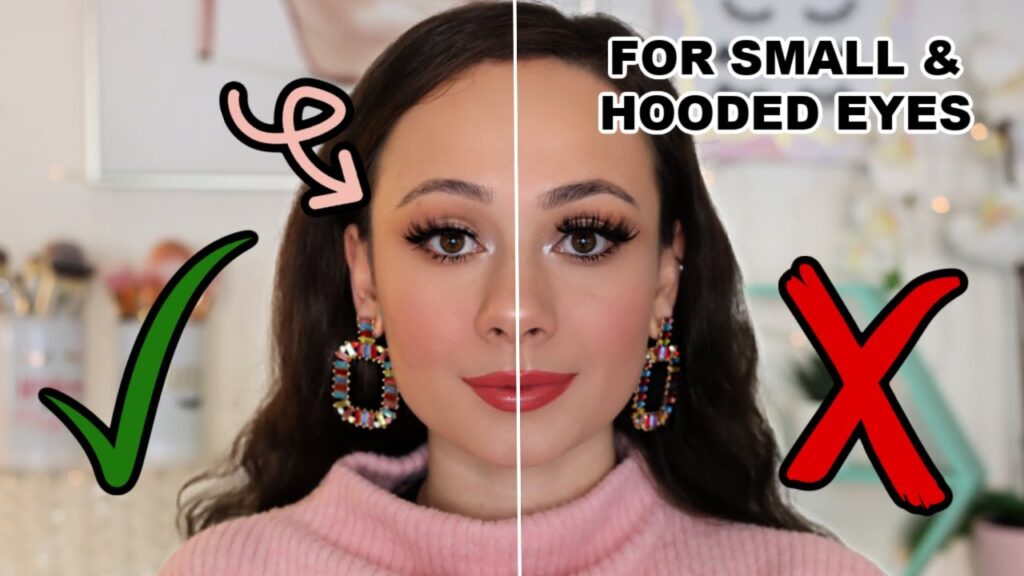
Zrozumienie charakterystyki opadającej powieki
Cechy anatomiczne:
-
Mniej widoczna przestrzeń powieki: Załamanie powieki jest zasłonięte, gdy oczy są otwarte
-
Mocniej zarysowany łuk brwiowy: powoduje naturalne zacienienie oczu
-
Efekt opadania: nadaje oczom wygląd opadających ku dołowi
-
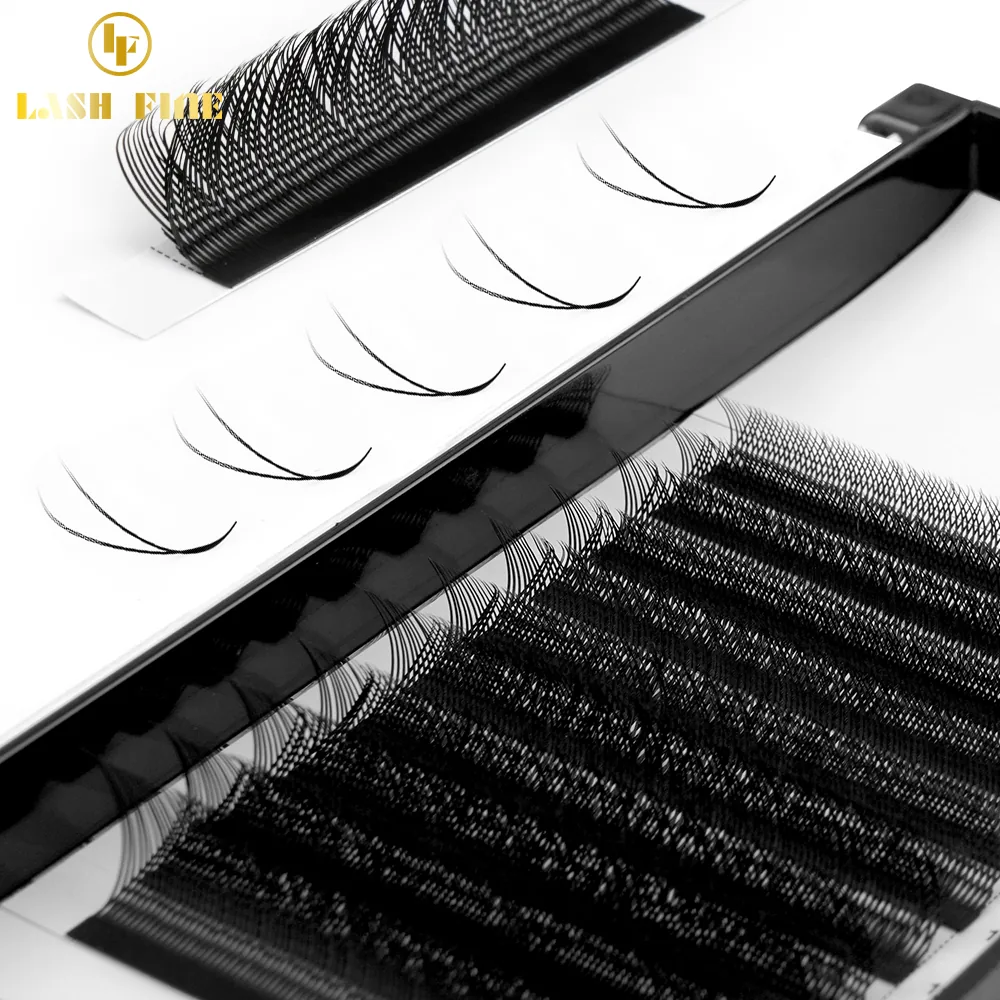
Niewidoczne rzęsy: rzęsy mogą chować się pod fałdem powieki
Częste wyzwania:
-
Przedłużane rzęsy dotykające łuku brwiowego
-
Ograniczona widoczność rzęs przy otwartym oku
-
Ryzyko uczucia ciężkości i dyskomfortu
-
Specjalne wymagania dotyczące mapowania
Polecane stylizacje rzęs dla opadających powiek
Przedłużanie rzęs – efekt Cat Eye
Dlaczego to działa: Uniesienie zewnętrznych kącików niweluje opadanie powiek
Idealnie dopasowane mapowanie: Krótkie w kącikach wewnętrznych (8–9 mm), długie w kącikach zewnętrznych (12–13 mm)
Najlepsze skręty: Skręt C lub CC zapewni największe uniesienie
Efekt: Tworzy to iluzję uniesienia ku górze i optycznie poszerza oczy.
Przedłużanie rzęs – efekt Doll Eye
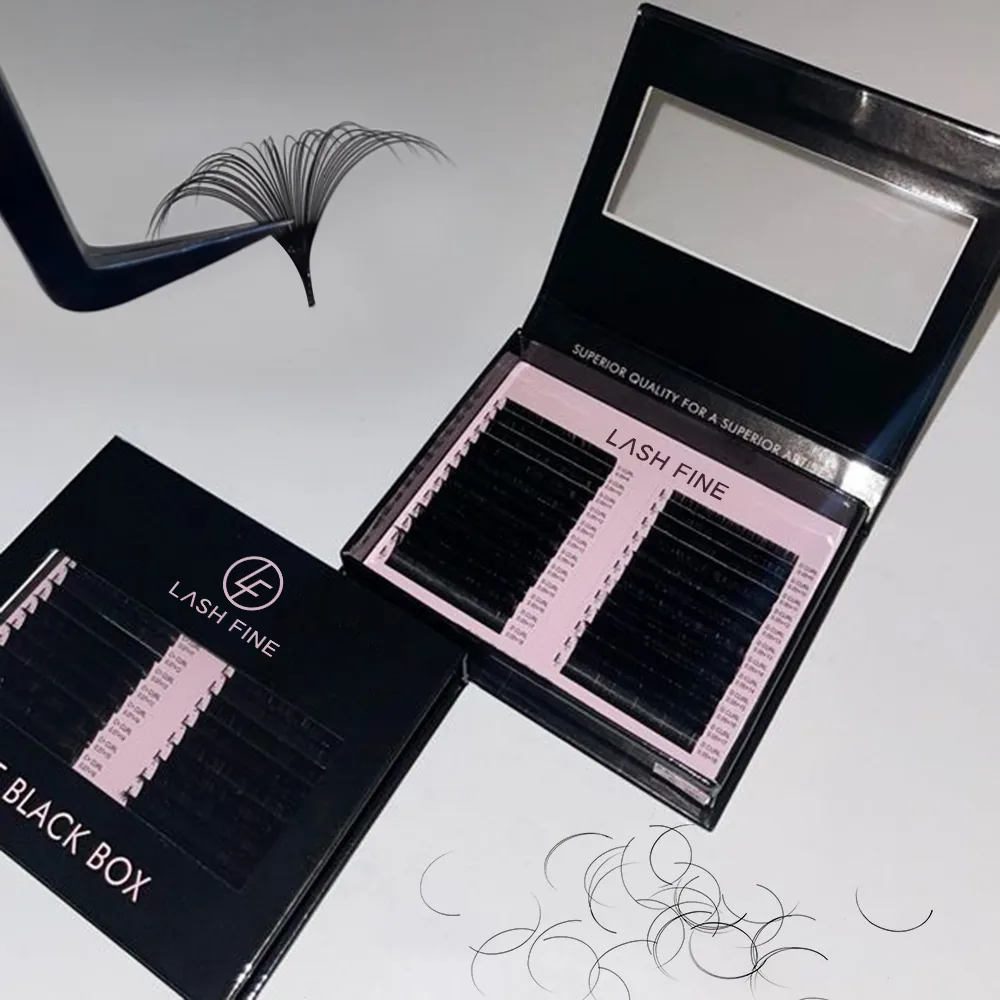
Dlaczego to działa: Wydłuża środek, aby stworzyć efekt szeroko otwartego oka
Idealne mapowanie: Najdłuższe rzęsy na środku (11–12 mm), krótsze po obu stronach (9–10 mm)
Najlepsze skręty: B lub C dla uzyskania efektu zaokrąglenia
Efekty: Sprawia, że oczy wyglądają na duże i szeroko otwarte
Przedłużanie rzęs – efekt Natural Wispy
Dlaczego to działa: Lekka formuła, dzięki której powieka nie jest obciążona
Idealne mapowanie: Mieszanka długości 8–11 mm rozmieszczonych nieregularnie
Najlepsze skręty: Skręty J (lub B), jeśli wolisz delikatny efekt
Efekty: Podkreśla bez nadmiernego przytłaczania powiek
Przedłużanie rzęs – styl wiewiórka (Squirrel)
Dlaczego to działa: Stopniowana długość unosi spojrzenie.
Najlepsze mapowanie: Krótkie w stronę nosa; długie przy zewnętrznych kącikach
Najlepsze skręty: Skręt C dla naturalnego uniesienia
Efekt: Wyrazisty i naturalny wygląd z odrobiną dramatyzmu
Specyfikacje techniczne
Zalecenia dotyczące długości:
-
Wewnętrzne kąciki: 6–8 mm
-
Środek: 9–11 mm
-
Zewnętrzne kąciki: 10–12 mm
Uwaga: długość nie powinna przekraczać 13 mm (mogą dotykać łuku brwiowego)
Przewodnik po doborze skrętu:
-
Skręt J: Najbardziej naturalny i dający najmniejsze uniesienie.
-
Skręt B: Delikatne uniesienie, odpowiednie dla początkujących
-
Skręt C: Średnie uniesienie, najbardziej uniwersalne ze wszystkich
-
Skręt CC: Mocne uniesienie przy wyraźnie opadającej powiece
-
Skręt D: Ekstremalne uniesienie, stosować ostrożnie
Dobór grubości rzęs:
-
Rzęsy naturalne: 0,03–0,05 mm
-
Zestawy klasyczne: 0,07–0,10 mm
-
Zestawy objętościowe: Kępki 0,03–0,05 mm
Zasada: Mniejsze grubości nie obciążają rzęs!
Techniki aplikacji przy opadających powiekach
Strategie mapowania:
-
Uniesione kąciki: Niwelują opadającą linię oka
-
Unikaj zbyt dużych przeskoków w długości: Stosuj długości pośrednie dla płynniejszych przejść
-
Dopasowana gęstość: Większa objętość w miejscu, gdzie powieka jest najbardziej widoczna
-
Odstęp od łuku brwiowego: 2–3 mm przy otwartych oczach
Wskazówki dotyczące aplikacji:
-
Aplikuj rzęsy syntetyczne nieco wyżej na rzęsie naturalnej
-
Kieruj rzęsy pod kątem na zewnątrz, a nie prosto w górę
-
Krótsze długości w wewnętrznych kącikach
-
Większa gęstość w części środkowej wzdłuż najbardziej widocznej partii powieki
Metody separacji:
-
PRACUJ NA MAŁYCH PARTIACH ponieważ widoczność jest ograniczona!
-
Używaj mikropęsety dla zachowania precyzji
-
Często sprawdzaj efekt z perspektywy klientki
-
Upewnij się, że żadne rzęsy nie są przytrzaśnięte przez fałd powieki
Rekomendowane produkty
Najlepsze rodzaje rzęs:
-
Rzęsy syntetyczne o stosunkowo niskiej wadze: Włókna PBT lub jedwabne
-
Elastyczne nasady: Zapewniają naturalny ruch
-
Matowe wykończenia: Redukują odbijanie światła
-
Brązowo-czarne kolory: subtelniejsze niż głęboka czerń
Dobór kleju:
-
Formuły szybkoschnące: Skracają czas zabiegu
-
Elastyczne wiązanie: Nie ogranicza naturalnego ruchu rzęs
-
Niska emisja oparów: Komfort podczas dłuższych zabiegów
-
Wysychanie na przezroczysto: Brak widocznych śladów i osadów
Podstawy konsultacji z klientką
Kluczowe punkty oceny:
-
Stopień opadania powieki: Pomiar widocznej powierzchni ruchomej powieki
-
Wypukłość łuku brwiowego: Sprawdź zachowanie odpowiedniego odstępu.
-
Kondycja rzęs naturalnych: Oceń, czy i jak duże obciążenie utrzymają naturalne rzęsy.
-
Styl życia klientki: Uwzględnij praktyczne potrzeby
Ważne pytania:
-
“Czy noszone na co dzień okulary nie zahaczają o przedłużane rzęsy?”
-
“Jak mocny makijaż nosisz na co dzień?”
-
“Czy miałaś już wcześniej przedłużane rzęsy?”
-
“Jak wygląda Twoja codzienna rutyna?”
Materiały wizualne:
-
Wyjaśnij specyfikę podobnych kształtów oczu przed pokazaniem zdjęć przed/po.
-
Dobierz długość za pomocą próbników rzęs
-
Zaprezentuj podgląd w programie do mapowania
Typowe wyzwania i rozwiązania
Problem: Rzęsy dotykają łuku brwiowego
Rozwiązanie: Zastosuj krótsze długości o mocniejszym skręcie
Problem: Po otwarciu oka rzęsy są całkowicie niewidoczne
Rozwiązanie: Zagęszczenie wyłącznie na środku i w kącikach zewnętrznych
Problem: Dyskomfort klientki
Rozwiązanie: Równowaga i właściwy odstęp to klucz – poparte odpowiednim rozłożeniem ciężaru
Problem: Szybkie wypadanie i słaba retencja
Rozwiązanie: Ponownie sprawdź przetłuszczanie się skóry w fałdzie opadającej powieki
Zaawansowane techniki
Technika warstwowa:
-
Zaaplikuj krótszą warstwę bazową
-
Strategicznie dodaj dłuższe akcenty
-
Zbuduj głębię bez nadmiernego obciążenia
Mieszanie parametrów:
-
Mieszaj różne skręty w jednej stylizacji
-
Łącz długości, aby uzyskać zindywidualizowany efekt
-
Stosuj różne grubości dla uzyskania trójwymiarowości
Specjalistyczne mapowanie:
-
Asymetryczne mapy przy nierównym opadaniu powiek
-
Regulacja gęstości w poszczególnych sektorach
-
Kierunkowe układanie rzęs dające efekt uniesienia
Pielęgnacja po zabiegu przy opadających powiekach
Zasady oczyszczania:
-
Codzienne oczyszczanie okolic załamania powieki
-
Wyłącznie produkty beztłuszczowe (oil-free)
-
Delikatne wyczesywanie ku górze
-
Regularne profesjonalne mycie rzęs
Zalecenia dotyczące snu:
-
Zalecane spanie na plecach
-
Jedwabne poszewki zmniejszają tarcie
-
Maski do spania z wyprofilowaną przestrzenią na rzęsy
Harmonogram uzupełnień:
-
Zalecane uzupełnianie co 2–3 tygodnie
-
Regularna kontrola kondycji rzęs naturalnych
-
Kuracje proteinowe wzmacniające rzęsy
Stylizacje niepolecane przy opadających powiekach
Niezalecane:
-
Mega volume: Zbyt duże obciążenie dla delikatnych powiek
-
Zbyt duże długości: Powodują ból i dają nienaturalny, przerysowany efekt.
-
Skręt D na słabych rzęsach: Może prowadzić do przedwczesnego wypadania
-
Jednolite mapowanie: Nie uwzględnia opadania powieki
Problematyczne stylizacje:
-
Styl Dracula (długie rzęsy w kącikach wewnętrznych i zewnętrznych, krótkie w centrum)
-
Aplikacje z nadmiernym obciążeniem nasady
-
Ekstremalne stylizacje typu wet look
-
Gęste, zamknięte kępki
Aspekty biznesowe
Struktura cenowa:
-
Ceny premium za specjalistyczną technikę
-
Dłuższy czas wizyty (2,5–3 godziny)
-
Dodatkowy czas na konsultację i mapowanie
Pamiętaj, że indywidualny projekt w skomplikowanych przypadkach może wiązać się z dodatkową opłatą.
Strategie marketingowe:
-
“Pozycjonowanie jako ”specjalistka od opadającej powieki”
-
Zdjęcia przed/po podkreślające efekt uniesienia oka
-
Materiały edukacyjne na temat opadających powiek
-
Współpraca z profesjonalnymi wizażystami przy kompleksowych pakietach
Edukacja klientki:
-
Kształtowanie realistycznych oczekiwań
-
Wymogi dotyczące prawidłowej pielęgnacji
-
Wyjaśnienie ograniczeń stylizacyjnych
-
Edukacja w zakresie długofalowej kondycji rzęs
Rozwój umiejętności technicznych
Rekomendacje szkoleniowe:
-
Zaawansowane kursy z mapowania rzęs
-
Specjalistyczne warsztaty: opadająca powieka
-
Masterclassy z personalizacji aplikacji
-
Rozwój biznesu dla ekspertek i specjalistek
Techniki ćwiczeniowe:
-
Praca z anatomią i konturem oka na manekinach o podobnym kształcie i wielkości oczu
-
Doświadczenie z różnymi stopniami opadania powieki
-
Opracowywanie indywidualnych szablonów mapowania
-
Opanowanie wielu podejść i rozwiązań
Trendy i innowacje w branży
Nowe techniki:
-
Technologia mapowania 3D
-
Tworzenie niestandardowych profili podkręcenia
-
Tworzenie stylizacji hybrydowych
-
Zaawansowane metody retencji
Innowacje produktowe:
-
Lżejsze materiały
-
Specjalistyczne kleje
-
Możliwość dostosowania wzorów podkręceń
-
Produkty dedykowane do opadających powiek
Podsumowanie
Sztuka prawidłowego przedłużania rzęs przy opadających powiekach polega na poznaniu indywidualnej anatomii oka i trzymaniu się mapy podczas aplikacji. Najlepsze podejścia łączą w sobie:
Strategiczne elementy stylizacji:
-
Staranny dobór długości
-
Optymalizacja skrętu
-
Kontrola obciążenia
-
Indywidualne mapowanie
Doskonałość techniczna:
-
Precyzyjna aplikacja
-
Prawidłowa separacja
-
Regularne doskonalenie umiejętności
-
Ciągła edukacja
Podejście zorientowane na klienta:
-
Szczegółowa konsultacja
-
Kształtowanie realistycznych oczekiwań
-
Spersonalizowane rozwiązania
-
Kompleksowe wskazówki dotyczące pielęgnacji po zabiegu
Przyjmując te zasady, stylistki rzęs mogą przekształcić wyzwania związane z opadającą powieką w okazję do tworzenia pięknych, indywidualnych aplikacji, które podkreślają naturalne piękno, dbając o komfort i satysfakcję klientek.


 English
  German
  French
  Spanish
  Romanian
  Portuguese
  Dutch
Dutch  Italian
  Swedish
  Polish